


 13.01.2026
AllSell
13.01.2026
AllSell
How to choose a robot vacuum cleaner?
There are many robot vacuum cleaners on the market, which differ from each other in a number of essential features, from the type of cleaning to the intelligent navigation system. Before buying, it is advisable to familiarize yourself with the features of the devices. Below we present in detail all the main characteristics so that you can buy a truly useful vacuum cleaner.
Cleaning Type
One of the most important features of robot vacuum cleaners is the type of cleaning. Modern models offer dry, wet and combined: wet and dry cleaning.
Dry cleaning is designed for dust, hair, crumbs or other dirt. Suitable for all types of floors (laminate, carpet, tile...), effective for cleaning pet hair, does not use water, safe for wooden and delicate surfaces. Among the diverse range on the market, you will undoubtedly find an affordable and premium robot vacuum cleaner that fits your budget.
Wet cleaning is designed for light cleaning and refreshing of the floor. The robot, in this case, also has a water container and a damp cloth, which cleans the floor while moving. Although it does not replace a full manual cleaning, it still removes light stains and marks, reduces the spread of dust.
Combined models simultaneously perform dust collection and wet cleaning of the floor, either in one cycle or in sequence. This saves time by performing two operations, provides a more complete cleaning, and is suitable for large areas. If you choose a powerful robot vacuum cleaner, almost completely self-service, self-cleaning, then you will minimize your participation in cleaning the floor. Imagine: the floor is clean, the device is washed.
Cleaning area and suction power
It is important to consider this so that the vacuum cleaner does not leave half the room dirty due to discharge. It is best to choose one for an area larger than your room, since the technical specifications are for empty rooms. Meanwhile, the robot will have to clean additional space due to furniture and other obstacles. Unlike conventional vacuum cleaners, robot vacuum cleaners have significantly lower suction power, but due to the lack of a tube and compact design, this is not always a problem. This parameter is sometimes indicated in pascals (Pa), and sometimes in watts (W). The former is more accurate, since suction is still carried out using the vacuum created, that is, through pressure, albeit negative. There is no simple formula for converting one value to the other, but on average 1 W is approximately 71 Pa.
What parameters should you pay attention to?
The minimum suction power (up to 3000 Pa) is sufficient for light cleaning of dust and small debris from tiles, laminate and parquet.
The average suction power (3000–4000 Pa) is sufficient for collecting dust, crumbs and hair from both hard and soft surfaces.
The high suction power (from 4000 Pa) is sufficient for thorough cleaning of animal hair and stubborn dirt from hard floors and carpets.
Also, remember that the specified power can only be achieved for a short time in turbo mode, which is activated for hard-to-reach areas; otherwise, the suction power is approximately half.
Size and shape
The design of a robot vacuum cleaner can affect its cleaning efficiency. Round devices are less effective at cleaning corners and along ledges, while square and D-shaped devices easily reach any corner and move well along walls. There are also round robots with retractable brushes, which do not have this drawback. In any case, most vacuum cleaners on sale today are round.
The most important dimension is height. It should be about 1 cm below the furniture, which will allow the cleaner to reach under the sofa or cabinet. Robots are most often 7-9 cm high, but manufacturers usually indicate this height without lidars, cameras and other protruding parts. So be careful.
Don’t forget about the docking station too. Some models are quite bulky, and in a small apartment there may not be a convenient place for them, especially considering the additional space required for parking.
Brush type
There are three options: a cleaning brush, a turbo brush, and a combination of the two. The former are usually found on the most affordable models, while the latter are found on more expensive robots.
Cleaning brushes are only suitable for cleaning hard surfaces: they simply collect large debris, which is then sucked into the dust collector. When there are two brushes, they rotate in each other's direction, trapping dust particles inside the vacuum cleaner. A single brush is much less effective and may not completely collect the debris, but rather scatter it.
The turbo brush is much more effective and is considered a universal option: it is suitable for most surfaces, including carpets, rugs, and hard floors. It rotates quickly, raising the pile and collecting not only large debris, but also pet hair and small particles.
Some vacuum cleaners offer both types. This combination is more effective, but a single turbo brush also cleans well.
Dust container capacity
Robots have a fairly limited dust container capacity. It usually depends on the area being cleaned and ranges from 0.3 to 1 liter.
The average figure to aim for is 0.5 liters. A smaller dust container is only suitable for small apartments and will quickly become clogged with pet hair. This container needs to be emptied every few days.
There are also vacuum cleaners with a dust collector built into the base. The robot pours the contents of the dust container into it and returns to cleaning. This design is quite bulky and more expensive, but it is much more convenient to use: there is no need to constantly empty the built-in container: just throw out the filled bag in the base and replace it with a new one every 1.5-2 months.
Filter Type
Air filters are installed at the outlet of the vacuum cleaner to trap particles. These are usually standard fine filters that trap dust particles down to 0.3 microns in size. This type of filtration is sufficient for most situations. However, if you have asthmatics or people sensitive to allergens in your home, you will need a vacuum cleaner with a HEPA filter. These filters are much more effective at cleaning the air, trapping 85–99.95% of particles as small as 0.06 microns. It is best to aim for a HEPA 13 or higher level; these provide a high degree of filtration and really clean the air.
Navigation
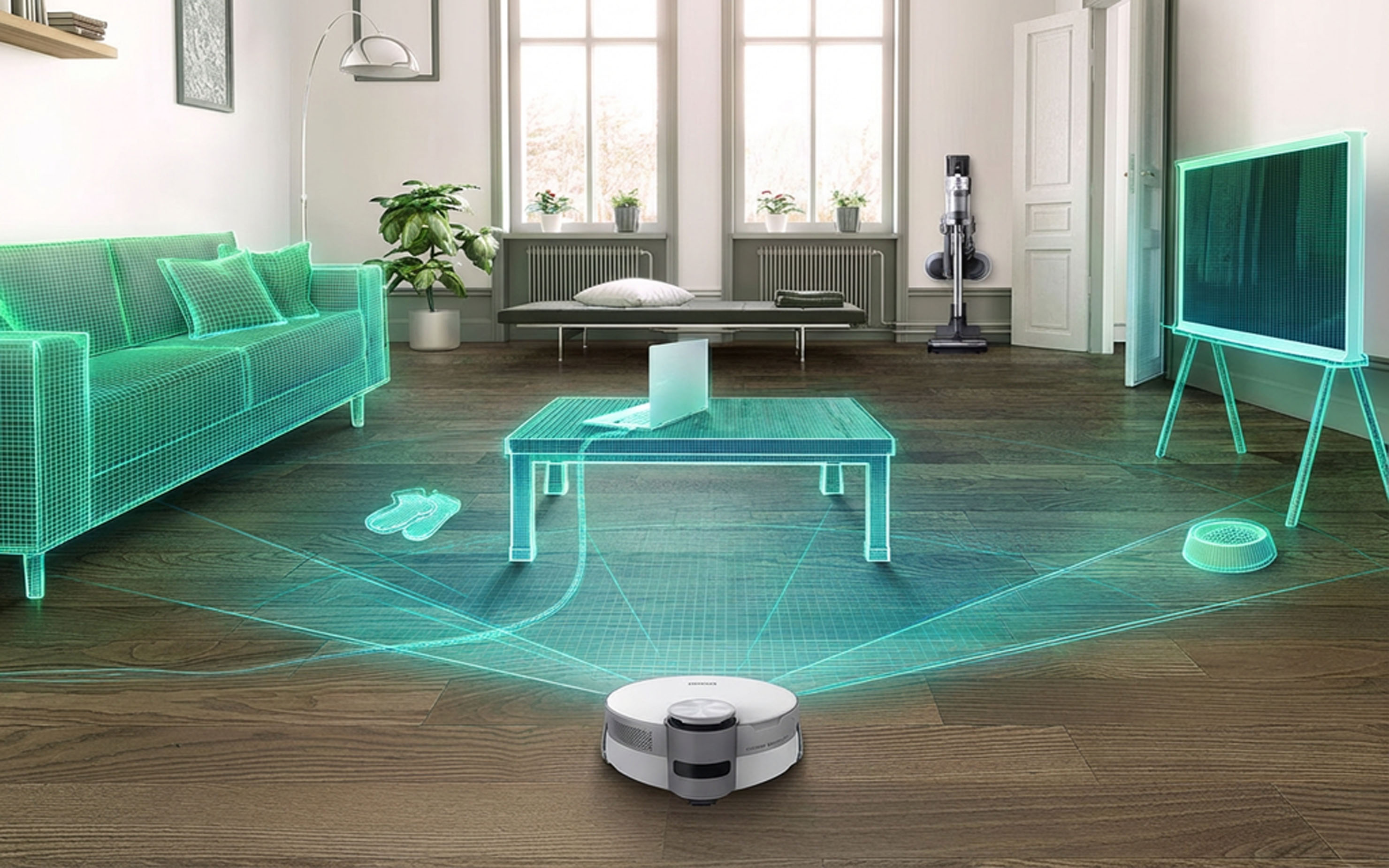
Budget robots use obstacle sensors built into shock-absorbing bumpers to navigate. When an obstacle is encountered, the vacuum cleaner turns around and continues moving in the opposite direction according to an algorithm. This usually involves moving in a zigzag, spiral, or along walls. More expensive robots are equipped with non-contact infrared sensors that allow the vacuum cleaner to stop just a few centimeters from obstacles. There are also models that can plot the optimal route based on a map of the room. Moreover, some robots are equipped with infrared sensors that recognize the difference in height, which prevents falling down stairs. They measure the reflected signal and, therefore, perceive all black surfaces as a chasm, preventing the vacuum cleaner from entering them.
The most advanced navigation uses LiDAR, a laser rangefinder that accurately determines distances and can create detailed maps of rooms, then plan routes through them, indicating the sequence of rooms and prohibited areas. These models are often supplemented with an obstacle detection camera that prevents the robot from running over your feet, pets, and objects. Advanced cleaners powered by artificial intelligence even recognize objects on the floor, reducing the risk of collisions and tangles.
For cleaning small rooms, zigzag movements are sufficient, so the first sensor option is suitable. However, for complex and large apartments, a vacuum cleaner with a smart navigation system is preferable; otherwise, it will be difficult to achieve good results. Height sensors are also a useful feature in a two-story house.
Control and scheduling
You can give commands to the robot in different ways: using the buttons on the vacuum cleaner body, the remote control, a smartphone or voice control. The first two are usually available in budget models, while the latter is found in more expensive vacuum cleaners. Control via a mobile application is more convenient, but in general, any method is suitable, since the program is set once, and then the vacuum cleaner simply works, except in cases of emergency cleaning of unplanned dirt.
Applications are usually integrated with smart assistants; sometimes control is possible using the Yandex Alisa voice assistant.
Most models have a scheduled cleaning function. This allows you to set the vacuum cleaner to clean on certain days, for example, when you are at work.
Base station capabilities
Initially, the base was used only for charging robots, but with the development of technology, its functions have expanded significantly. While the simplest devices are still only rechargeable, more expensive devices now have at least a self-cleaning station - a dust container or bag that sucks dust and dirt from the container. The capacity of the container varies from 2 to 4 liters, and it must be emptied every 30-60 days, depending on the size of the apartment and the level of dirt.
Models with a wet cleaning stand have a base with tanks for clean and dirty water. The first is used to rinse the cloth, thus generating wastewater. Some also have a tank for detergent. Your involvement is limited to periodically filling and emptying the containers. However, the most modern vacuum cleaners are completely self-service, connected to the water supply and sewage system, like a washing machine. This is truly the best option for cleaning.
Water tank models usually also have a fabric dryer: After washing, it blows warm air for a few hours. An additional option is electrolysis, which disinfects the used water, eliminating possible unpleasant odors.
Battery life and charging
Almost all modern robot vacuums use lithium-ion batteries, but some still use the older nickel-metal hydride batteries. The latter have a significantly shorter charging time, so it’s worth avoiding these models.
The average battery life of a vacuum cleaner is about two hours, which is enough for a standard apartment. Budget models work for 40-60 minutes and can clean one room without recharging. More expensive robots, with a battery life of 2-3 hours, are suitable for larger homes.
Most vacuum cleaners are charged via a docking station, to which they can automatically connect after cleaning or when the battery charge is low. The most affordable models have a standard power supply, the cable of which must be manually inserted into the charging port. Many devices can not only return to the base, but also resume cleaning from the same place after recharging.
Last news
-
 06.10.2025
AllSell
Comparison of all PS5 models
06.10.2025
AllSell
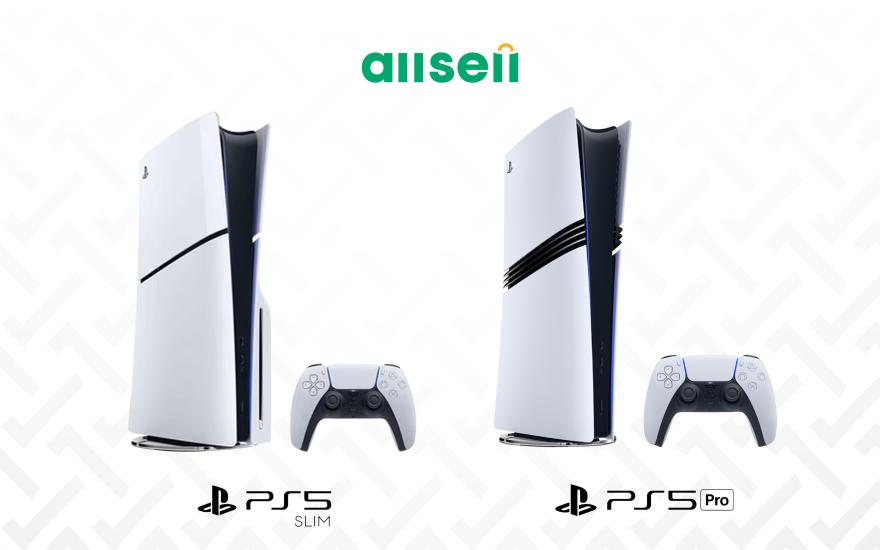
Comparison of all PS5 models
Are you a fan of digital games, want to buy a Playstation, but aren't sure which model to choose? Read this guide
-
 01.12.2025
AllSell
Dyson AirWrap HS09: A scientific approach to hair care
01.12.2025
AllSell
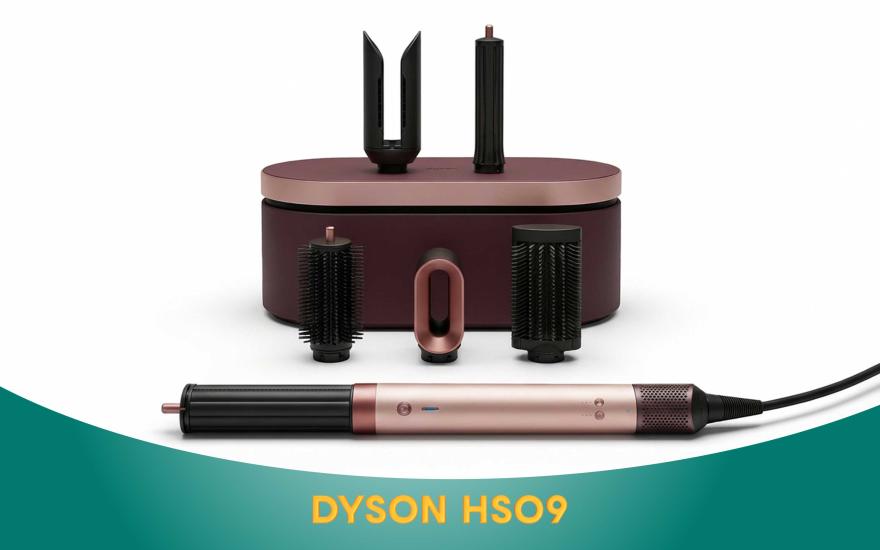
Dyson AirWrap HS09: A scientific approach to hair care
When you buy the Dyson Airwrap HS09, you get a hair dryer, straightener, and styler all in one. This is not only a three-in-one hair dryer, but also personalized care technology. Details on the blog
-
 26.11.2025
AllSell
AirPods generations and their differences
26.11.2025
AllSell
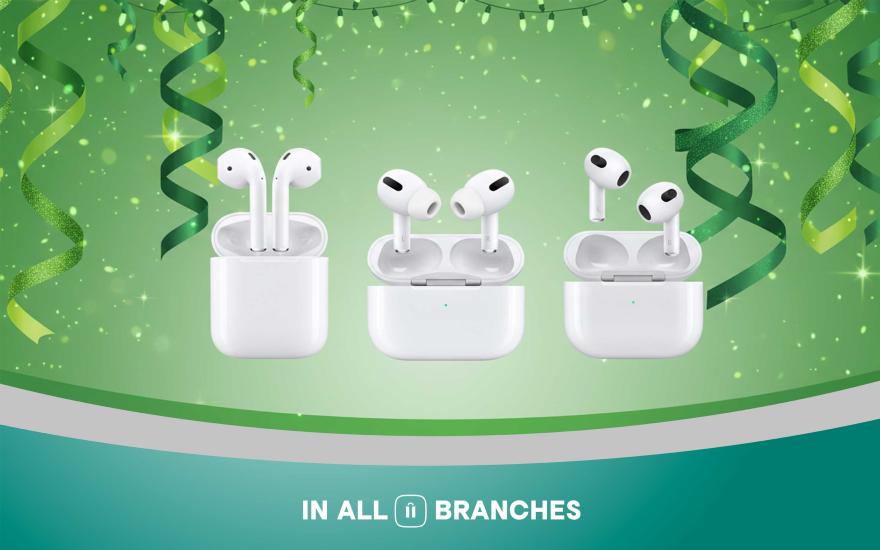
AirPods generations and their differences
There are different models of AirPods headphones and it can be difficult to make a choice if you don't know their differences. In this article, we will present all generations of Apple wireless headphones, their differences, so that you can choose the option that suits you best.
-
 29.10.2025
AllSell
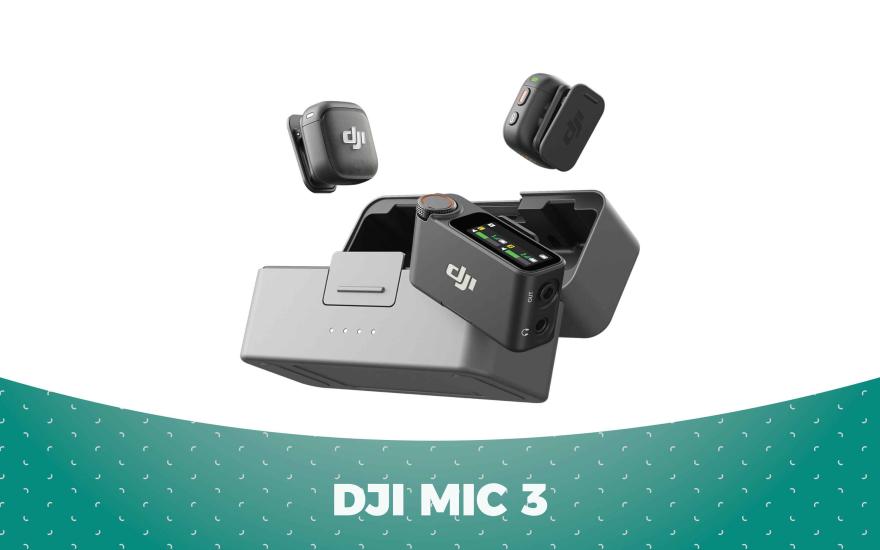
DJI Mic 3 microphone features
29.10.2025
AllSell
DJI Mic 3 microphone features
How to use DJI MIC 3 to ensure the best sound quality. Discover the microphone's features
-
 16.10.2025
AllSell
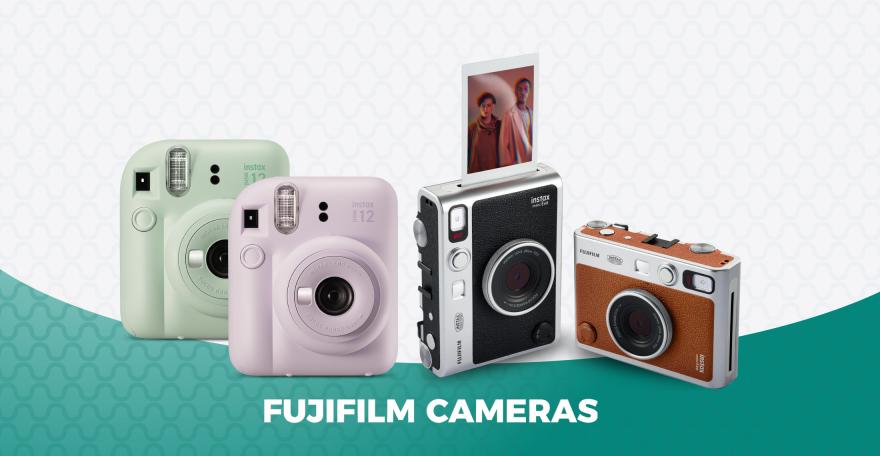
Instax Mini 12: The magic of instant printing
16.10.2025
AllSell
Instax Mini 12: The magic of instant printing
The Instax Mini 12 camera entices with its instant printing capabilities. It seems like you just press a button and that's it. However, the Mini 12 is quite finicky and has its own set of features. Read more...