

128GB, 256GB, or 512GB: How Much Storage Do You Really Need?
“Will 128GB be enough?”, “Is it worth paying extra for 256GB?”, “Who actually needs 512GB?” These are some of the most common questions people ask before buying a smartphone. Choosing the right storage capacity is often more difficult than choosing the color or even the model itself. The best storage option depends on how you use your phone. If you're still unsure which storage capacity to choose, this guide will help you decide based on your daily usage habits.
iPhone: Is 128GB Still Enough?
Apple continues to offer its base iPhone models with 128GB of storage. However, it's important to remember that the latest iPhones generate much larger files than previous generations. For example, a single photo taken with the 48MP camera on the iPhone 16 Pro or iPhone 17 Pro can occupy several times more space than photos captured on older iPhones. The iPhone 17 Pro is available in 128GB, 256GB, 512GB, and 1TB storage options. But does everyone really need that much storage? Not necessarily.
If your everyday usage mainly includes:
-
iCloud sync
-
Instagram and TikTok
-
Telegram and WhatsApp
-
Safari browsing
-
Apple Music or other streaming services
then 128GB can still be more than enough for everyday use.
However, if you regularly use:
-
ProRAW photography
-
ProRes video recording
-
High-quality 4K video
then 256GB is a much better long-term choice that will help you avoid running out of storage.
Samsung Galaxy: Better Cameras Mean Larger Files
If you're considering a Samsung Galaxy smartphone, such as the Galaxy S25 Ultra, the situation is slightly different. Its 200MP camera produces much larger image files, while many of the new Galaxy AI features rely heavily on the phone's internal storage. If you enjoy shooting in RAW, using AI Photo Edit, or recording 8K videos, 128GB can fill up surprisingly fast. For many Samsung users, 256GB has become the ideal balance between price and storage.
Xiaomi: More Storage for the Same Budget
Many models in the Xiaomi 15, Xiaomi 15 Ultra, and Redmi lineup often offer 256GB at the same price competitors charge for 128GB.
If your budget allows you to choose between:
-
iPhone 128GB
-
Samsung Galaxy 128GB
-
Xiaomi 256GB
Xiaomi often has a clear advantage in terms of storage capacity. If you store lots of photos or install large games, this difference can be significant.
Google Pixel: Excellent Camera, But...
One of the biggest strengths of Google Pixel smartphones is their camera. Ironically, that's also one of the reasons users quickly run out of storage. Google's AI image processing, high-quality HDR photos, and 4K videos consume a considerable amount of space. If you're planning to keep your Pixel phone for several years, 256GB is the more practical investment.
Games and Apps Take More Space Than Ever
Today's most popular apps and games require much more storage than many people expect.
-
Instagram + cache → 2–5GB
-
TikTok → 3–8GB
-
Telegram → 10GB or more
-
WhatsApp media → 5–20GB over time
-
Genshin Impact → 20–30GB
-
Call of Duty Mobile → 10–20GB
Even with what many consider "normal" smartphone usage, it's easy to consume 60–100GB of storage. This is where 128GB starts feeling limiting.
"But I Use Cloud Storage..."
Many people say, "I have Google Photos or iCloud, so I don't need much storage." That's true—but only to a certain extent.
Because:
-
Your files aren't always available without an internet connection.
-
Apps and games are not stored in the cloud.
-
Offline access is still important.
-
Large 4K videos and RAW photos often remain on the device.
Cloud storage is an excellent supplement, but it cannot replace your phone's internal storage.
Can You Upgrade a Smartphone's Storage?
This is one of the most frequently asked questions. Many people assume they can buy the 128GB version now and upgrade the storage later if needed.
Unfortunately, that's not possible on modern iPhone, Samsung Galaxy, Google Pixel, and flagship Xiaomi smartphones. If you purchase the 128GB version, it will remain 128GB for the lifetime of the device.
That's why it's important to choose a storage option that will meet not only your current needs but also those of the next several years.
There are, however, several ways to free up or extend your available storage:
-
microSD card – Some Android smartphones, mainly budget and mid-range models, support microSD cards. However, iPhones and most flagship Android devices (such as Samsung Galaxy S, Google Pixel, and Xiaomi Ultra series) do not.
-
Cloud Storage – Services like iCloud, Google Photos, Google Drive, and OneDrive let you store photos and documents online while freeing up internal storage.
-
External SSD or USB drive – Many modern smartphones with USB-C support external storage devices, making it easy to transfer large photo and video files.
-
Clear app cache regularly – Apps like Instagram, TikTok, and Telegram can accumulate several gigabytes of cache over time. Clearing it periodically helps recover storage space.
Although these solutions can be helpful, they do not increase your smartphone's internal storage capacity.
If you plan to keep your phone for 3–5 years, it's worth choosing a storage option that will meet both your current and future needs. For many users, 256GB is the perfect balance.
Which Storage Capacity Should You Choose? — Summary
When buying a smartphone, people often focus on the camera, processor, or design.
In reality, the feature that affects your everyday experience the most is storage capacity.
-
Choose 128GB if you're on a budget and have light usage.
-
Choose 256GB if you want a worry-free experience for years to come.
-
Choose 512GB if you want maximum flexibility and never want to think about storage again.
Last news
-
 06.10.2025
AllSell
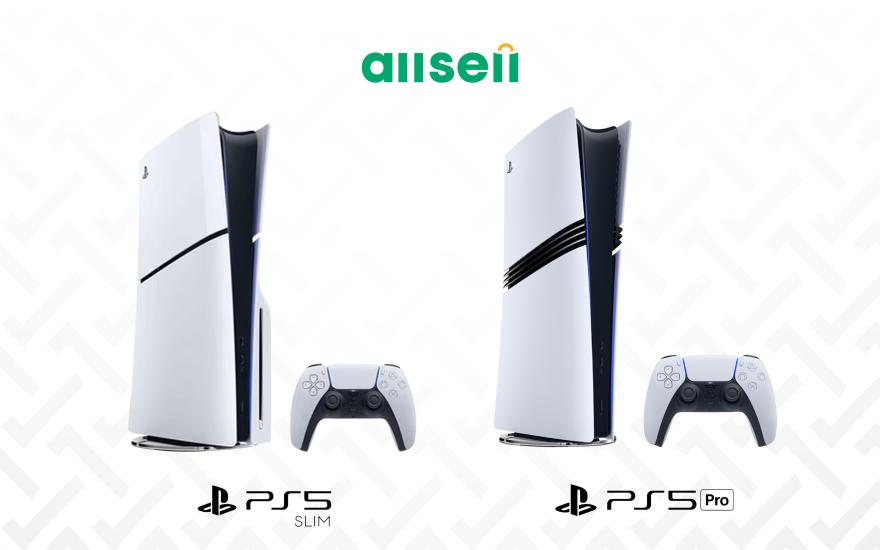
Comparison of all PS5 models
06.10.2025
AllSell
Comparison of all PS5 models
Are you a fan of digital games, want to buy a Playstation, but aren't sure which model to choose? Read this guide
-
 01.12.2025
AllSell
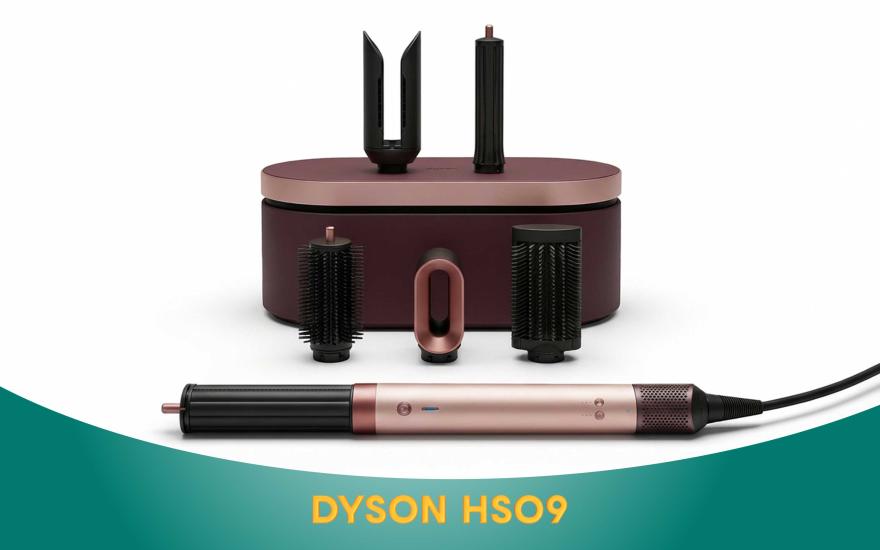
Dyson AirWrap HS09: A scientific approach to hair care
01.12.2025
AllSell
Dyson AirWrap HS09: A scientific approach to hair care
When you buy the Dyson Airwrap HS09, you get a hair dryer, straightener, and styler all in one. This is not only a three-in-one hair dryer, but also personalized care technology. Details on the blog
-
 26.11.2025
AllSell
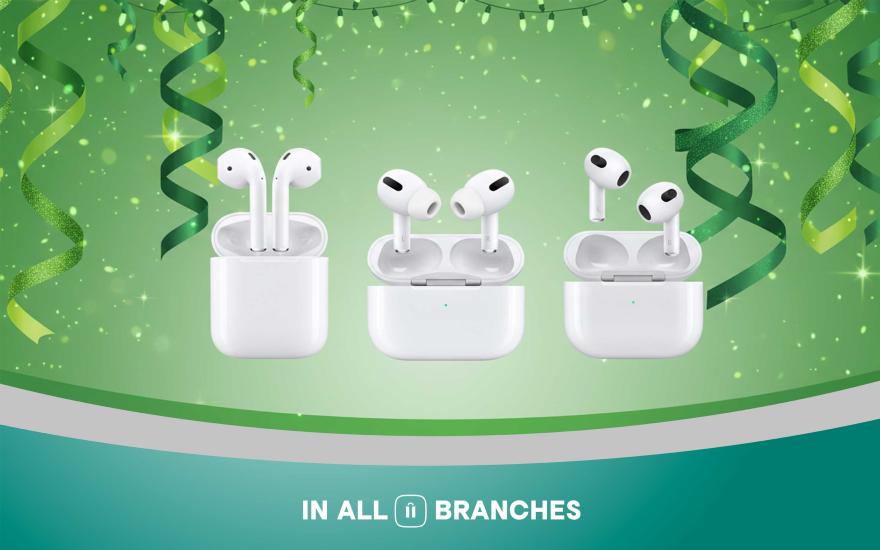
AirPods generations and their differences
26.11.2025
AllSell
AirPods generations and their differences
There are different models of AirPods headphones and it can be difficult to make a choice if you don't know their differences. In this article, we will present all generations of Apple wireless headphones, their differences, so that you can choose the option that suits you best.
-
 29.10.2025
AllSell
DJI Mic 3 microphone features
29.10.2025
AllSell
DJI Mic 3 microphone features
How to use DJI MIC 3 to ensure the best sound quality. Discover the microphone's features
-
 16.10.2025
AllSell
Instax Mini 12: The magic of instant printing
16.10.2025
AllSell
Instax Mini 12: The magic of instant printing
The Instax Mini 12 camera entices with its instant printing capabilities. It seems like you just press a button and that's it. However, the Mini 12 is quite finicky and has its own set of features. Read more...