


Energy-Efficient Home Appliances: How to Choose the Right Appliances and Save Energy
When choosing home appliances, it is important to pay attention to energy consumption. Energy-efficient appliances deliver the same high-quality results while using less electricity. This can help reduce monthly utility bills and save money in the long term. In this article, we will explore the benefits of energy-efficient appliances, energy efficiency ratings, and the key factors to consider when making a purchase.
How Is the Energy Efficiency of Home Appliances Measured?
Energy efficiency is an important factor when choosing home appliances, as it indicates how much electricity a device consumes. Modern appliances are classified on a scale from A to G, with Class A representing the highest efficiency and the lowest energy consumption, while Class G indicates the lowest efficiency and higher energy consumption. The intermediate classes - B, C, D, E, and F - represent gradually lower levels of efficiency. Choosing energy-efficient Class A or B appliances can help reduce electricity bills while also contributing to environmental protection by reducing unnecessary energy consumption.
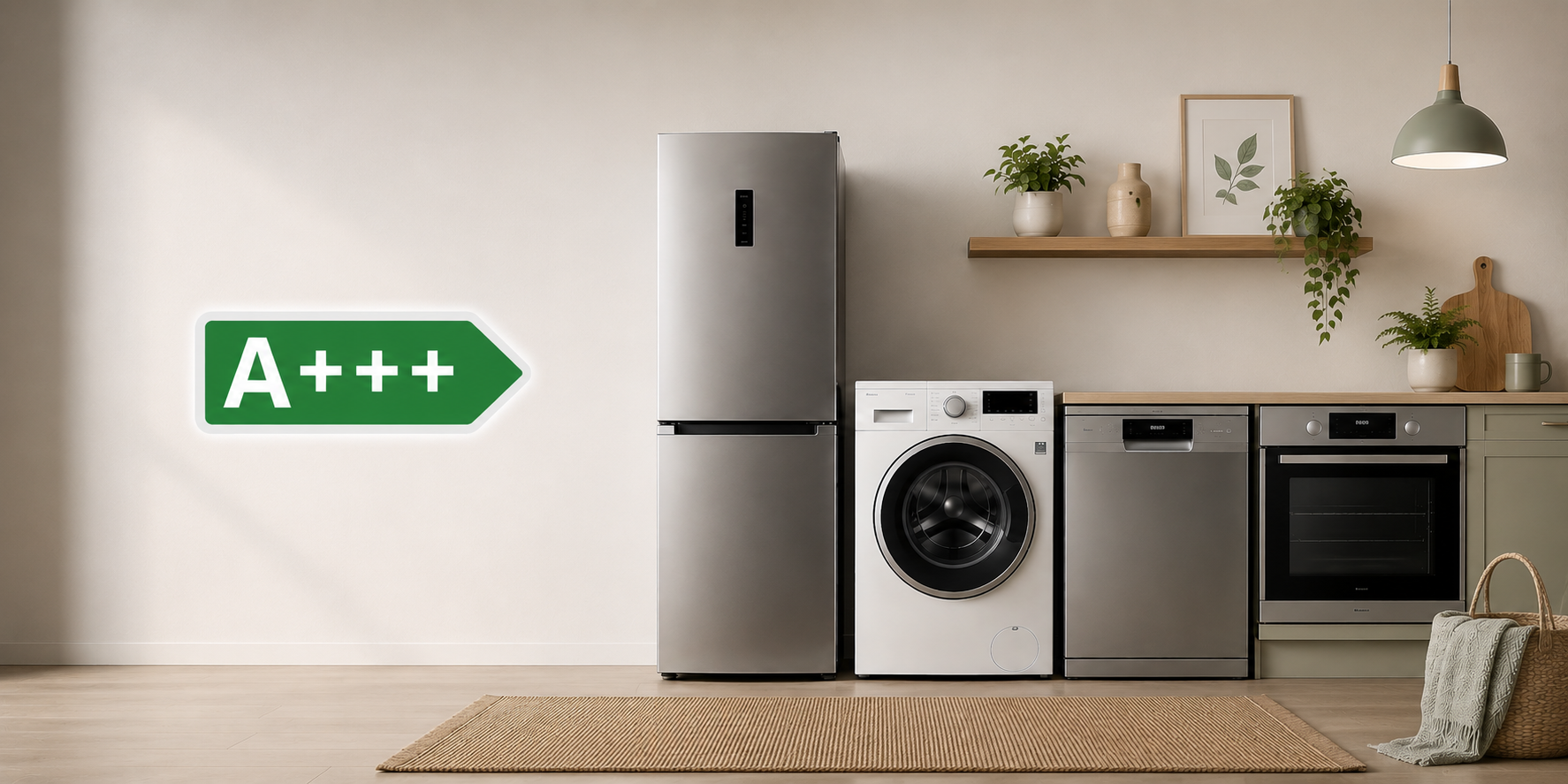
Key Factors to Consider When Choosing Energy-Efficient Appliances
Choosing energy-efficient home appliances is an important step toward saving money and using energy responsibly. When comparing different models, it is important to consider not only their features and functionality but also their energy consumption and the technologies they use. These factors can help you choose an efficient, reliable, and cost-effective appliance. In addition to the energy efficiency rating, pay attention to the following factors when choosing home appliances:
Annual Energy Consumption
The energy label or technical specifications usually indicate how many kWh of electricity an appliance consumes per year. Comparing the annual energy consumption of different models can help you choose a more energy-efficient and cost-effective option.
Appliance Technologies and Features
Modern appliances often include energy-saving technologies and features, such as inverter motors, automatic shut-off, Eco modes, and smart control systems. These solutions can help reduce energy consumption while maintaining efficient performance.
Appliance Size and Power
A more powerful appliance is not always more energy-efficient. It is important to choose an appliance that matches your actual needs and usage habits. An unnecessarily large or powerful appliance may consume more energy than necessary.
Smart Features Can Also Help Save Energy
Modern appliances often feature smart technologies that help use electricity more efficiently. For example, some washing machines and dishwashers automatically adjust the amount of water and detergent based on the load, while refrigerators and air conditioners adapt their operation to surrounding conditions. Some models can also be controlled via smartphone, allowing users to monitor energy consumption and select more efficient operating modes. These features can help reduce electricity use while making appliances more convenient and efficient to use.
Inverter Appliances: A Smart Choice
Inverter technology allows an appliance to operate at a more consistent power level instead of constantly switching on and off. As a result, it can help reduce energy consumption, provide quieter operation, and potentially extend the appliance’s service life. This technology is widely used in various types of home appliances.
For example, inverter air conditioners provide more precise temperature control and can help save energy. Inverter refrigerators operate more quietly while maintaining stable cooling and reducing energy consumption. Meanwhile, inverter washing machines provide efficient washing with lower noise levels and reduced energy use. Therefore, choosing appliances with inverter technology can be a smart long-term investment, offering greater comfort, efficient performance, and potential energy savings.
Turn on Eco Mode and Save Energy
Modern home appliances often feature Eco modes designed to make appliance operation more efficient while reducing electricity and water consumption. These programs help achieve effective results while using fewer resources, which can lower utility costs and reduce the environmental impact of everyday appliance use.
Eco modes are particularly useful for appliances that are used frequently or for long periods. For example, choosing a dishwasher with an Eco program can help reduce water and electricity consumption while maintaining effective cleaning. In washing machines, Eco programs provide a more economical washing cycle by using less water and energy. Choosing a clothes dryer with an Eco program can also help reduce energy consumption during drying.
Regularly using Eco programs is a simple but effective way to reduce overall household energy consumption and use home appliances more efficiently.
Which Appliances Should You Replace with Energy-Efficient Models First?
To reduce electricity consumption, it is worth prioritizing appliances that operate every day or for long periods. Older models often consume more energy, while modern energy-efficient appliances can deliver the same or even better performance while using fewer resources. The following appliances are among the first worth considering for replacement:
Refrigerator
Since a refrigerator operates around the clock, even a small difference in energy consumption can have a noticeable impact on annual electricity costs. Consider choosing a modern energy-efficient refrigerator with an efficient compressor and improved insulation.
Air Conditioner
Older air conditioners can consume significant amounts of electricity, especially during the summer months. Modern models with inverter technology regulate temperature more efficiently and can help reduce energy consumption.
Washing Machine
If your washing machine is several years old, it may use more water and electricity than newer models. Modern energy-efficient washing machines offer economical programs, efficient motors, and lower energy consumption.
Water Heater
If you are planning to buy a water heater, consider choosing an energy-efficient model. Since water heaters can be used frequently, selecting a more efficient appliance can make a noticeable difference to your household's overall electricity consumption.
It is not necessary to replace all your appliances at once. You can start with the appliances you use most frequently and gradually reduce energy consumption while managing your household budget more efficiently.
Energy-Efficient Appliances: A Smart Investment
Many buyers focus primarily on the initial purchase price of an appliance, but it is also important to consider its long-term operating costs. Energy-efficient home appliances may have a slightly higher upfront price, but they can help reduce electricity consumption over the years, resulting in lower monthly utility bills.
Modern models also feature efficient motors, inverter technology, and smart control systems that can help save energy while providing quieter operation, better performance, and longer-lasting use. If you plan to use an appliance for many years, choosing an energy-efficient model can be a more cost-effective long-term investment.
Last news
-
 06.10.2025
AllSell
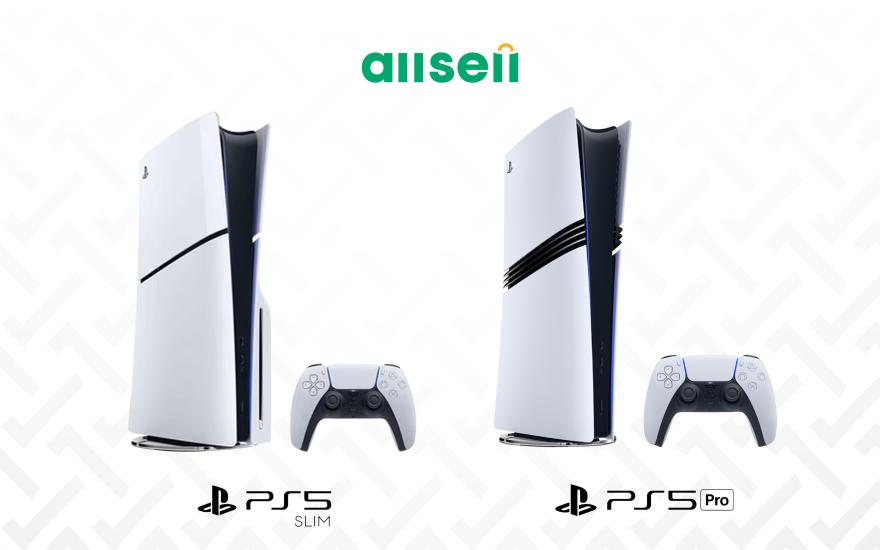
Comparison of all PS5 models
06.10.2025
AllSell
Comparison of all PS5 models
Are you a fan of digital games, want to buy a Playstation, but aren't sure which model to choose? Read this guide
-
 01.12.2025
AllSell
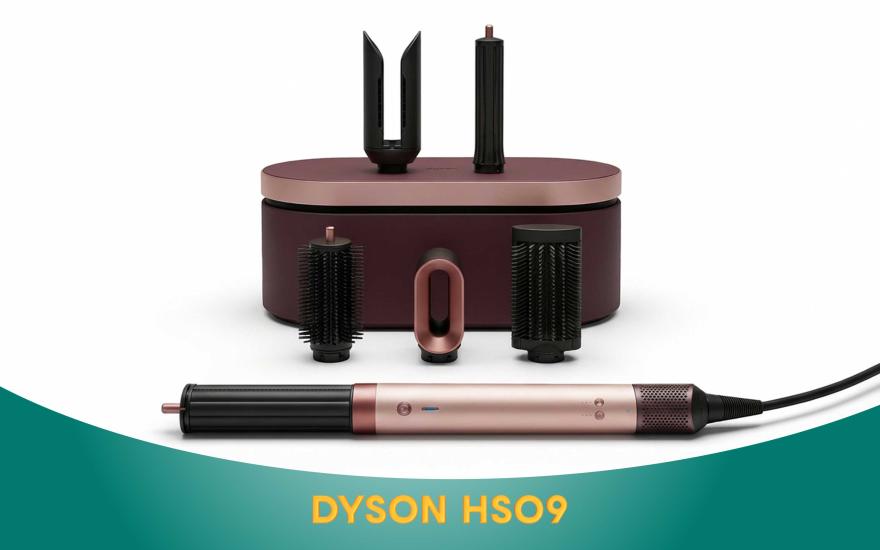
Dyson AirWrap HS09: A scientific approach to hair care
01.12.2025
AllSell
Dyson AirWrap HS09: A scientific approach to hair care
When you buy the Dyson Airwrap HS09, you get a hair dryer, straightener, and styler all in one. This is not only a three-in-one hair dryer, but also personalized care technology. Details on the blog
-
 26.11.2025
AllSell
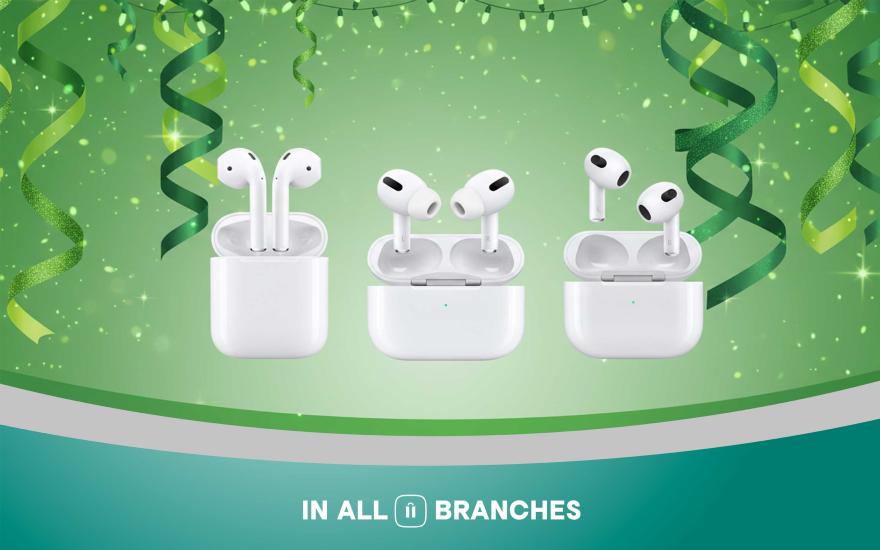
AirPods generations and their differences
26.11.2025
AllSell
AirPods generations and their differences
There are different models of AirPods headphones and it can be difficult to make a choice if you don't know their differences. In this article, we will present all generations of Apple wireless headphones, their differences, so that you can choose the option that suits you best.
-
 29.10.2025
AllSell
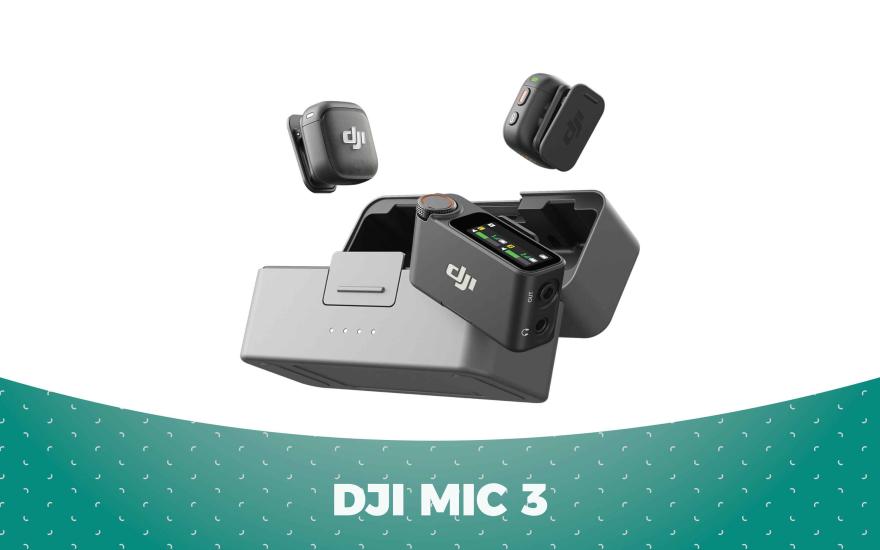
DJI Mic 3 microphone features
29.10.2025
AllSell
DJI Mic 3 microphone features
How to use DJI MIC 3 to ensure the best sound quality. Discover the microphone's features
-
 16.10.2025
AllSell
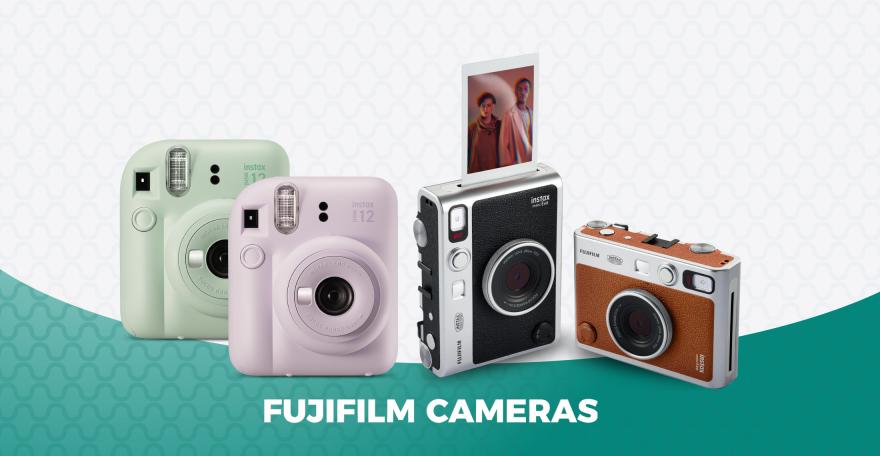
Instax Mini 12: The magic of instant printing
16.10.2025
AllSell
Instax Mini 12: The magic of instant printing
The Instax Mini 12 camera entices with its instant printing capabilities. It seems like you just press a button and that's it. However, the Mini 12 is quite finicky and has its own set of features. Read more...