


 04.11.2026
AllSell
How to Choose a Washing Machine: 7 Key Factors and Helpful Tips
A washing machine is one of the most essential household appliances in a modern home. However, when choosing a washing machine, considering only its appearance or brand is not enough. The market offers a wide range of models with different capacities, dimensions, motor types, and features. Some are designed for small households, while others are suitable for handling larger laundry loads. Certain models also combine washing and drying functions.
So, how do you choose a washing machine that meets your household's needs and provides convenient, reliable performance for years to come? Here are 7 key factors to consider before making your purchase.
Washing Machine Capacity: What Size Is Right for Your Family?
Imagine your laundry basket filling up faster than you can empty it. Or, on the contrary, having to wait several days until you have enough clothes to run a washing cycle. To avoid both situations, choosing the right washing machine capacity is essential.
The capacity, measured in kilograms, indicates how much dry laundry the machine can handle in a single cycle. When making your choice, consider not only the number of people in your household but also how often you do laundry and your everyday habits.
- 5–6 kg: A compact and practical option for one or two people, as well as smaller apartments.
- 7–8 kg: A convenient solution for small and medium-sized families who need to do laundry regularly.
- 9–10 kg and above: An excellent choice for households that regularly wash larger loads of laundry.
For example, the VIVARIS VW 612BSW model, with a 6 kg capacity, 11 washing programs, and a spin speed of 1,200 RPM, can be a practical everyday helper for smaller households.
If your family generates more laundry, consider the Samsung WW90DG6G94LB/LP. Its 9 kg capacity and 1,400 RPM spin speed allow you to wash larger loads in a single cycle.
Washing Machine Dimensions: How to Choose the Right Fit
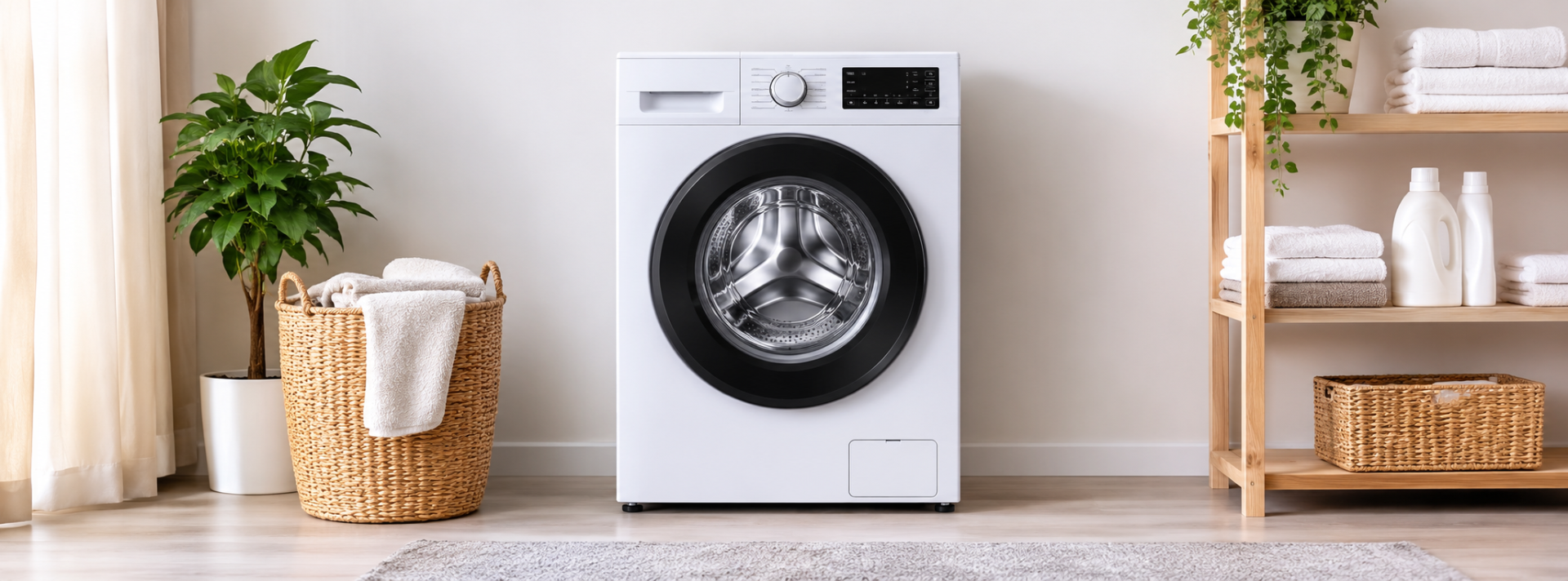
An attractive design, large capacity, and modern features are not the only things to consider when choosing a washing machine. It is equally important to make sure the appliance fits comfortably into your home without restricting movement or taking up unnecessary space. This is particularly important in small bathrooms and kitchens, where even a few extra centimeters can make a difference.
Most front-loading washing machines are approximately 60 cm wide and 85 cm tall, although their depth can vary significantly from one model to another. Therefore, pay attention to several important details before making your purchase:
-
Width and height: Make sure the appliance fits into the designated space without interfering with furniture or other appliances.
-
Depth: Measure the available space and remember to leave additional room at the back for water hoses and connections.
-
Door opening direction and clearance: Check whether the door can open fully and whether there is enough room to load and unload laundry comfortably.
-
Installation requirements: If you plan to install the washing machine under kitchen cabinets or in a narrow bathroom, check all dimensions in advance to ensure a proper fit.
But who says a smaller depth has to mean a smaller capacity? For example, the Samsung WW90DG6G94LB/LP measures 85 × 60 × 48 cm and can accommodate up to 9 kg of laundry. This makes it an interesting option for those looking for a large-capacity washing machine without requiring excessive installation depth.
Inverter Motor: A Small Technology That Makes a Big Difference in Everyday Life
A washing machine may be used several times a week or even daily in larger households. That is why it is important to consider not only how much laundry the appliance can hold but also how its motor operates. This is where inverter technology offers several advantages.
Unlike traditional motors, an inverter motor allows more precise control over rotation speed and operating performance, adjusting them to the requirements of the washing cycle. This can provide several benefits:
-
More efficient energy consumption: The motor adjusts its operation to the required power level, helping reduce electricity consumption.
-
Smoother operation: Precise speed control allows the washing machine to operate in a more controlled and consistent manner.
-
Less noise and vibration: Many inverter models operate more quietly, especially when properly installed.
-
Potentially longer service life: The motor's design and control features can reduce wear on certain mechanical components.
If you use your washing machine frequently, an inverter motor can offer significant advantages over the long term. It precisely controls drum rotation speed and motor power, adjusting performance according to the selected washing program. This helps improve energy efficiency, reduce mechanical wear, and provide quieter operation compared with traditional motors.
This technology is also featured in the TOSHIBA TW-BK110G4UZ(SK) washing machine. With a 10 kg capacity, it is suitable for washing larger loads, while its inverter motor contributes to efficient and smooth operation. Its 1,400 RPM spin speed helps remove excess moisture from clothes, and 12 washing programs allow you to choose a suitable setting for different fabrics and laundry needs.
Spin Speed: What Does RPM Mean and How Do You Choose the Right Setting?
Sometimes, a single small number can make a big difference when choosing a washing machine. RPM is one such specification: it indicates how many times the drum rotates per minute during the spin cycle. The higher the spin speed, the more water is extracted from the laundry, leaving clothes less damp when the cycle is complete.
So, which spin speed should you choose? It all depends on your laundry habits and the types of fabrics you wash.
-
800 RPM – suitable for delicate garments and gentler spinning.
-
1,000 RPM – a good choice for everyday use.
-
1,200 RPM – offers a practical balance between effective spinning and fabric care.
-
1,400 RPM and above – preferable if you want your laundry to retain as little moisture as possible after washing.
For example, the 1,400 RPM spin speed of the Samsung WW90DG6G94LB/LP is designed for more intensive spinning. The drum rotates faster, helping remove more moisture so that clothes come out less damp. Meanwhile, the LG L5C0905PSGC offers a 1,200 RPM spin speed, providing gentler spinning that is suitable for a wide range of fabrics.
Higher spin speeds are particularly useful for thicker fabrics, towels, and bed linen. For delicate garments, however, it is better to select a lower spin speed to avoid putting unnecessary stress on the fabric.
Washing Programs and Additional Features: One Machine for Different Needs
Jeans, silk shirts, wool sweaters, and sportswear cannot all be washed in the same way. Each fabric has its own care requirements, which is why having a variety of washing programs is important.
Choosing the right cycle helps clean clothes according to their material, level of soiling, and specific care requirements. Modern washing machines may include the following programs:
-
Cotton: Designed for cotton garments, towels, and bed linen.
-
Synthetic: Suitable for polyester and other synthetic fabrics.
-
Delicate: Provides gentler treatment for sensitive fabrics.
-
Wool: Designed for the gentle care of wool garments.
-
Quick Wash: Ideal for refreshing lightly soiled clothes in a shorter amount of time.
-
Steam: Uses steam to provide additional fabric treatment, helping reduce certain odors and wrinkles, depending on the program.
-
Eco: Designed to use water and electricity more efficiently.
In addition to the main washing cycles, pay attention to extra features as well. For example, the delay start function allows you to schedule when a washing cycle begins. Extra rinse helps remove detergent residue more thoroughly, while speed-up options reduce the duration of certain programs. Some models also offer automatic program selection, which adjusts washing parameters according to the laundry load or other conditions.
Remember: having more programs does not always mean a better washing machine. What matters most is choosing a model with the features that match your laundry needs and everyday habits.
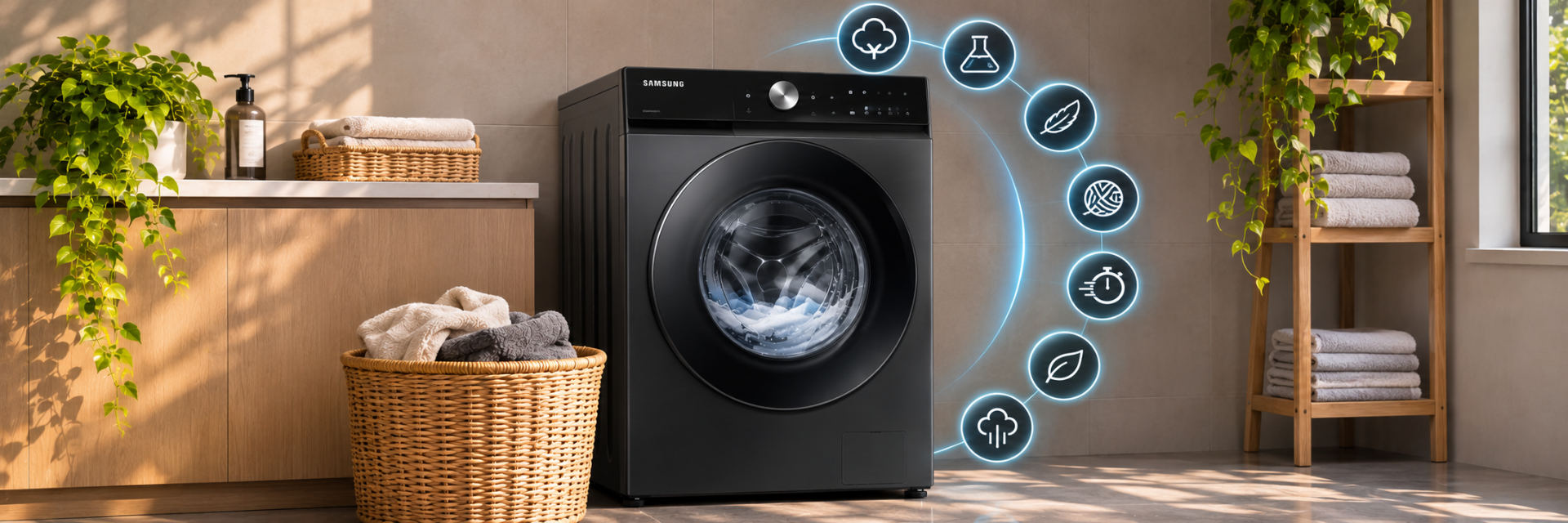
For example, the Samsung WW90DG6G94LB/LP washing machine offers 23 wash programs designed for different fabric types and care requirements. These include AI Wash intelligent washing, the Super Speed quick cycle, Hygiene Steam, as well as programs for cotton, wool, delicate fabrics, and sportswear. This variety allows you to organize your laundry more flexibly by selecting the right cycle for each load.
However, the number of programs should not be considered the only measure of quality. One model may offer all the essential cycles, while another may include additional intelligent features and steam technology. What matters most is choosing functions that are genuinely useful and suit your laundry needs.
Washer-Dryer: Is a 2-in-1 Model Worth Choosing?
Imagine your washing machine has finished its cycle, and there is no need to transfer your clothes to a separate dryer. Both washing and drying take place in the same appliance. This is exactly what 2-in-1 washer-dryers offer. These models are particularly convenient for smaller apartments where there may not be enough space for two separate appliances. Besides saving space, they also make laundry routines easier to manage.
However, there is one important detail to consider: the drying capacity is usually lower than the washing capacity. In other words, if a machine can wash 9 kg of laundry, it may only be able to dry 5 kg in a single cycle.
At AllSell, you can explore several options depending on your household's needs.
This model offers 18 wash programs and a spin speed of 1,400 RPM. It is a practical option for those looking for a compact appliance with two functions.
Combining 14 wash programs with a spin speed of 1,200 RPM, this model is an interesting choice for those who want a larger washing capacity while also benefiting from a drying function.
Designed for larger laundry loads, this model features 18 programs and a spin speed of 1,400 RPM. It may be a suitable choice for larger families and households that regularly wash substantial amounts of laundry.
When choosing a 2-in-1 model, therefore, do not focus solely on washing capacity. Consider its drying capacity as well to make sure the appliance meets your actual needs.
Energy Efficiency and Water Consumption
When choosing a washing machine, it is worth considering not only its purchase price but also its long-term running costs. Every wash cycle requires a certain amount of water and electricity, so choosing an energy-efficient model can help reduce utility bills and make everyday use more economical.
First, pay attention to the energy efficiency rating. Modern energy labels use a scale from A to G, where A represents the highest efficiency class and G the lowest. The higher the appliance's energy efficiency rating, the less electricity it uses under standardized testing conditions.
Another important factor is water consumption. This indicates how much water the machine uses per wash cycle. It is particularly important if you plan to use the appliance frequently.
For example, the Samsung WW90DG6G94LB/LP has an A energy efficiency rating and uses 50 liters of water per cycle. Meanwhile, the LG L5C0905PSGC also has an A rating, with water consumption of 43 liters per cycle.
When comparing these figures, consider the washing programs, load size, and other specifications as well. Actual water and electricity consumption may vary depending on the selected cycle.
Conclusion: How to Choose a Washing Machine That Meets Your Needs
Choosing a washing machine is about more than comparing a few technical specifications. It is important to consider your household's daily routine, how often you do laundry, how much space you have, and which features you actually need.
Before making your final decision:
-
Choose a capacity that suits your household size.
-
Measure the space available for installation.
-
Compare motor types and spin speeds.
-
Explore the washing programs and additional features.
-
Consider the energy efficiency rating and water consumption.
-
If you also want to dry your clothes, check the separate drying capacity.
At AllSell, you can explore a wide range of washing machines, compare their features, and find the right model for your home.
Last news
-
 06.10.2025
AllSell
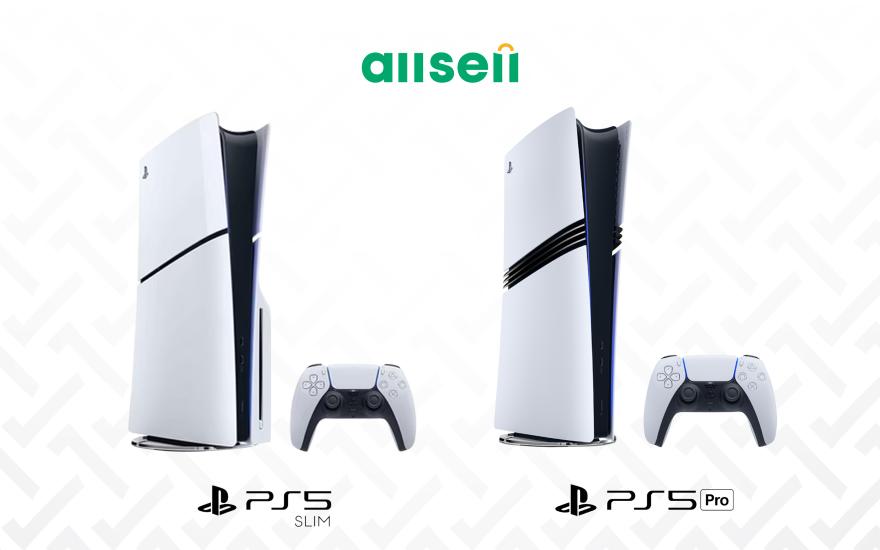
Comparison of all PS5 models
Are you a fan of digital games, want to buy a Playstation, but aren't sure which model to choose? Read this guide
-
 01.12.2025
AllSell
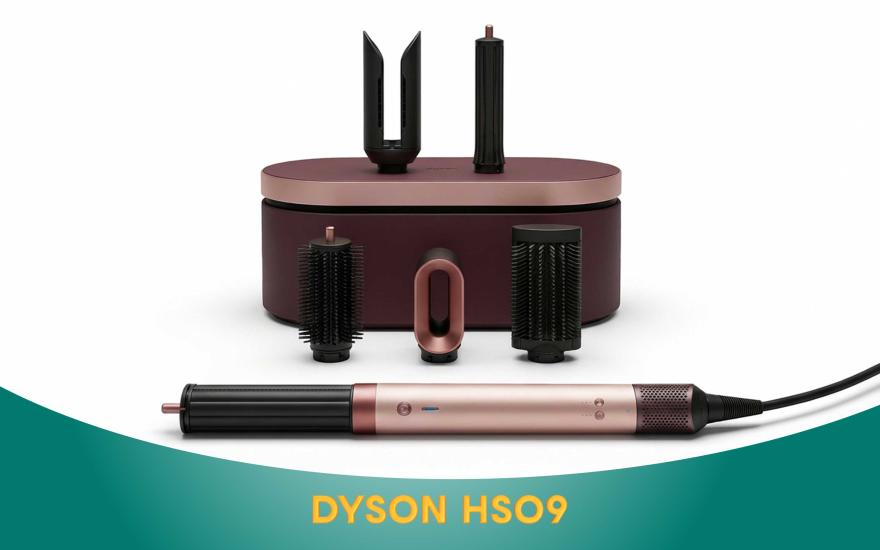
Dyson AirWrap HS09: A scientific approach to hair care
When you buy the Dyson Airwrap HS09, you get a hair dryer, straightener, and styler all in one. This is not only a three-in-one hair dryer, but also personalized care technology. Details on the blog
-
 26.11.2025
AllSell
AirPods generations and their differences
There are different models of AirPods headphones and it can be difficult to make a choice if you don't know their differences. In this article, we will present all generations of Apple wireless headphones, their differences, so that you can choose the option that suits you best.
-
 29.10.2025
AllSell
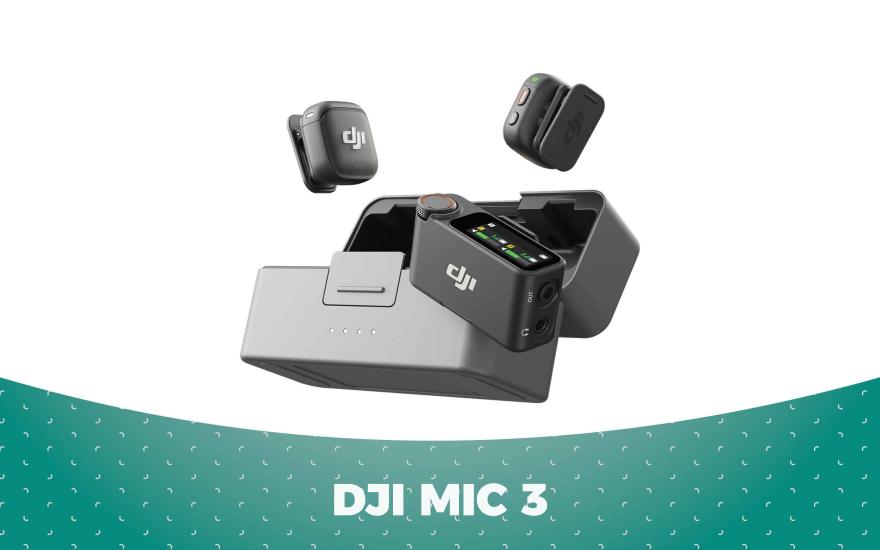
DJI Mic 3 microphone features
How to use DJI MIC 3 to ensure the best sound quality. Discover the microphone's features
-
 16.10.2025
AllSell
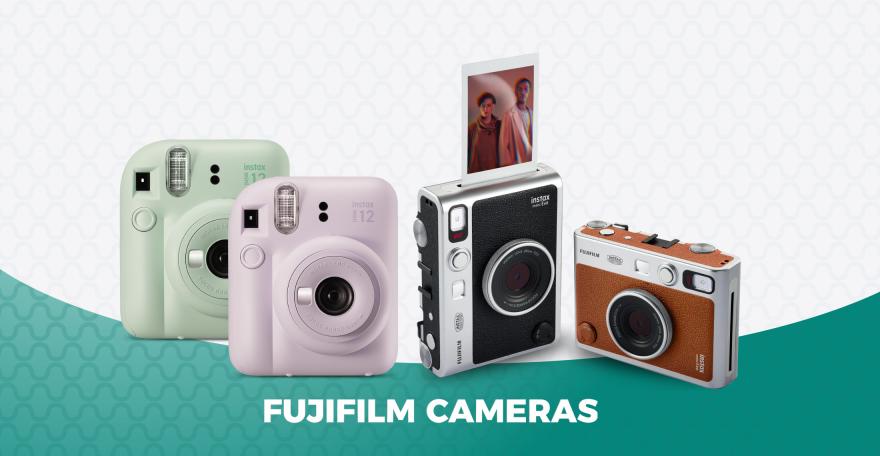
Instax Mini 12: The magic of instant printing
The Instax Mini 12 camera entices with its instant printing capabilities. It seems like you just press a button and that's it. However, the Mini 12 is quite finicky and has its own set of features. Read more...