


 22.06.2026
AllSell
22.06.2026
AllSell
Inverter Air Conditioners: Benefits and Buying Guide
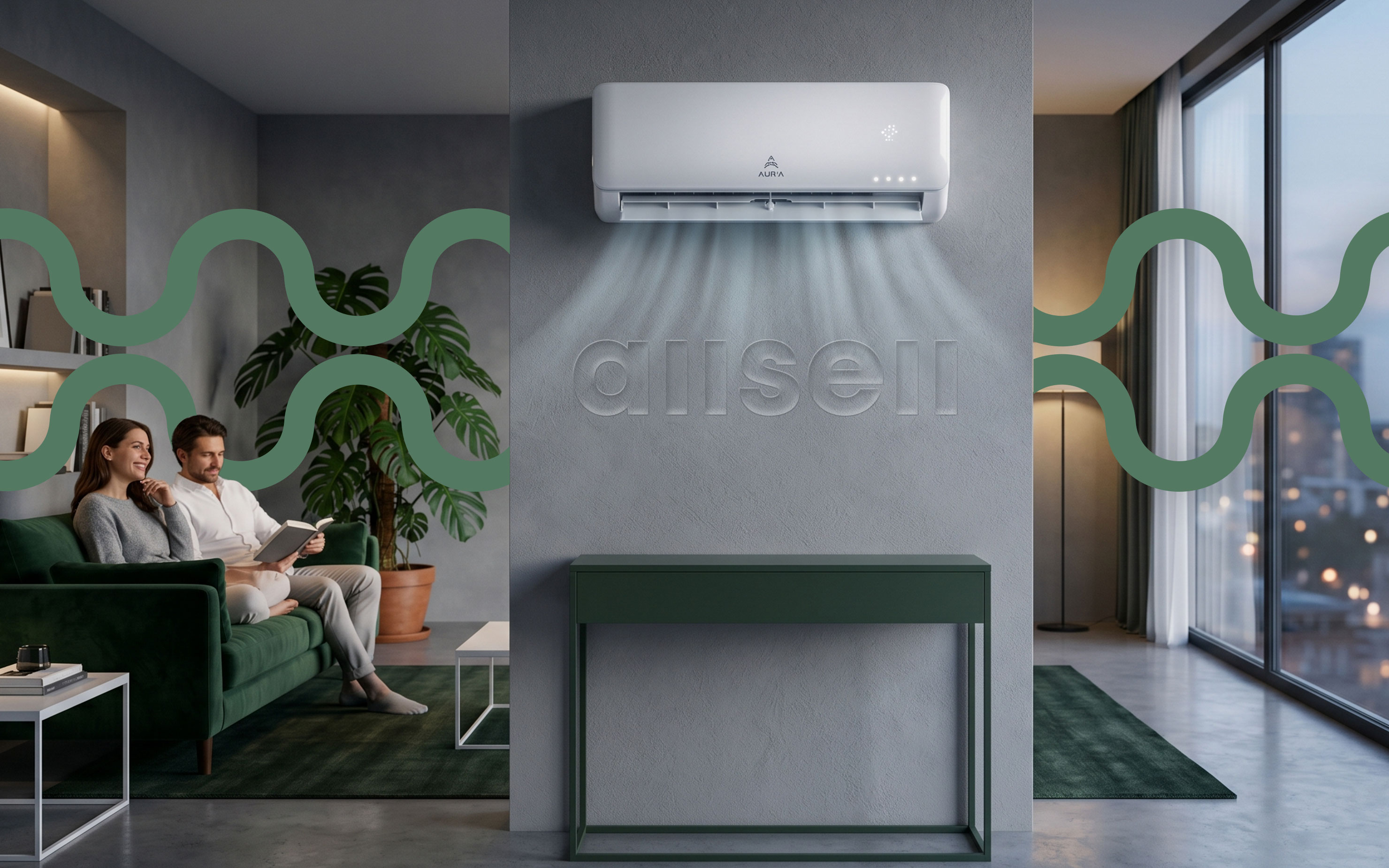
Having an air conditioner at home is almost a necessity throughout the year. During hot summer days, it provides comfortable cooling, while in colder seasons it can serve as an efficient heating solution. However, choosing the right air conditioner is not always easy. The market offers dozens of brands and models with different capacities and technologies, making it difficult for buyers to determine which option is best suited for their apartment, house, or office.
In recent years, inverter air conditioners have become particularly popular. They are considered a modern and smart solution because they combine energy efficiency, high performance, quiet operation, and long service life. In addition, many new models are equipped with Wi-Fi control, air purification systems, and self-cleaning functions, making them even more convenient to use. For these reasons, many experts recommend choosing an air conditioner with inverter technology.
What Is an Inverter Air Conditioner?
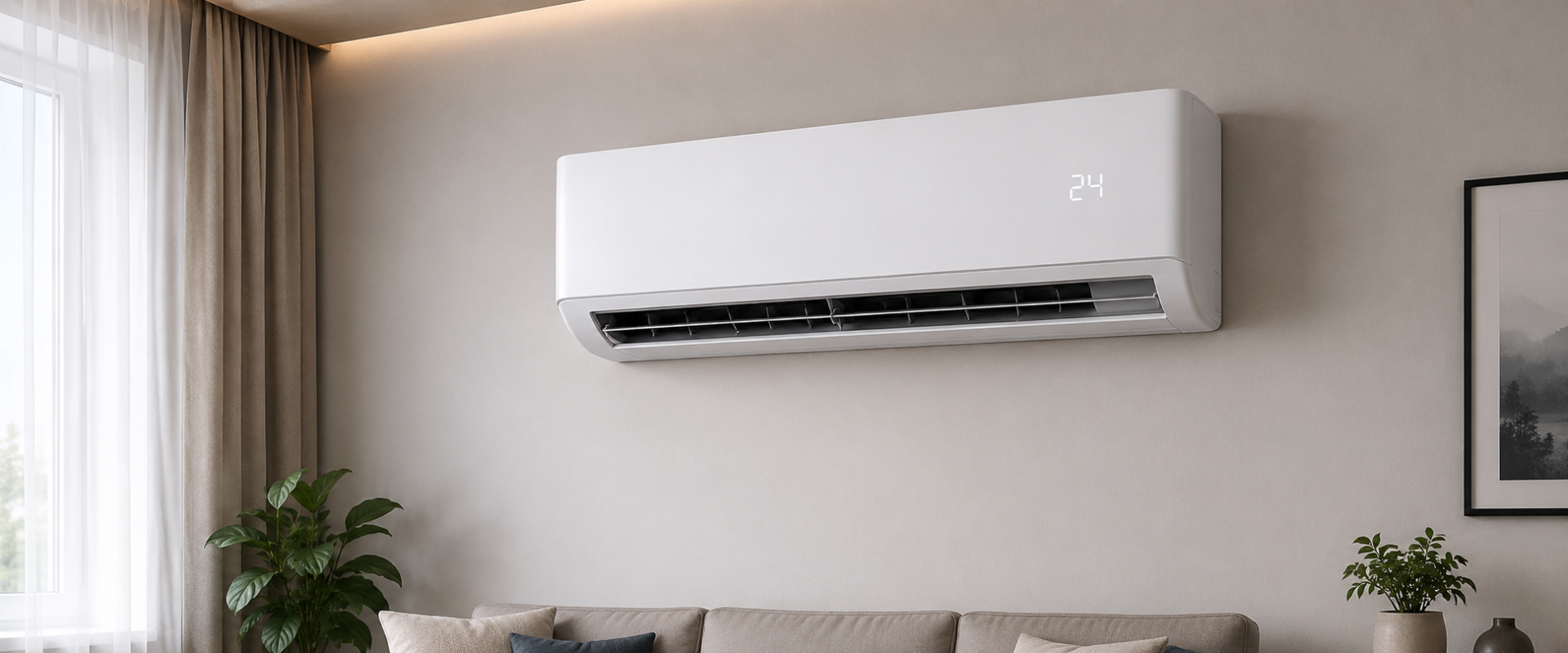
An inverter air conditioner is a device whose compressor can automatically adjust its operating power depending on the room temperature and usage conditions. Unlike conventional air conditioners, which repeatedly switch on and off to maintain the desired temperature, inverter models continue running while simply increasing or decreasing their power output.
For example, when the room reaches the temperature selected by the user, an inverter air conditioner does not turn off completely. Instead, it switches to an energy-saving mode and continues operating at a lower capacity. This helps maintain a stable indoor temperature, reduce energy consumption, and provide a more comfortable environment. Additionally, the components are subjected to less stress, which positively affects the overall lifespan of the unit.
Main Advantages of Inverter Air Conditioners
Energy Savings
One of the biggest advantages of inverter technology is energy efficiency. Since the compressor does not constantly operate at maximum capacity and avoids frequent starts and stops, electricity consumption is significantly reduced. Over time, this can lead to noticeable savings on utility bills.
Stable Temperature
Traditional air conditioners often cause temperature fluctuations because they cool the room, turn off, and then restart once the temperature rises again. Inverter air conditioners maintain the selected temperature much more consistently, ensuring a comfortable indoor climate.
Faster Cooling and Heating
Inverter models initially operate at high power to quickly reach the desired temperature. Once the target temperature is achieved, the system reduces its output and continues working in an energy-efficient mode. As a result, users enjoy faster cooling and heating.
Lower Noise Levels
Many people value quiet operation, especially in bedrooms and workspaces. Because inverter compressors do not repeatedly switch on and off, their operation is smoother and significantly quieter than conventional systems. This makes them an excellent choice for bedrooms, children's rooms, and offices.
Longer Lifespan
Frequent starting and stopping increase wear on internal components. Inverter technology minimizes this stress, allowing the compressor and other mechanisms to last longer and operate more reliably.
Greater Comfort
Inverter air conditioners can regulate room temperature more accurately without sudden changes. This is especially important for families with young children, elderly people, and individuals who are sensitive to temperature fluctuations.
Are Inverter Air Conditioners Suitable for Winter?
Most modern inverter air conditioners are designed not only for cooling but also for efficient heating. Many models can operate reliably even at outdoor temperatures of -15°C, -20°C, and sometimes even lower.
As a result, an inverter air conditioner can serve as a primary or supplementary heating source, particularly during autumn, spring, and mild winters. Many households prefer this solution because it is often more economical than certain traditional heating systems.
What Should You Consider When Choosing an Inverter Air Conditioner?
Selecting the right inverter air conditioner requires considering several important factors to ensure optimal performance and maximum comfort.
Room Size
The cooling and heating capacity of the air conditioner should correspond to the size of the room. A unit that is too small or too powerful may not operate efficiently.
Cooling and Heating Capacity
Pay attention to the technical specifications provided by the manufacturer and make sure they are suitable for your space.
Energy Efficiency Rating
High ratings such as A++ and A+++ generally indicate lower electricity consumption and more economical operation.
Noise Level
If the air conditioner will be installed in a bedroom or office, choosing a model with a low noise level is highly recommended.
Additional Features
Modern inverter air conditioners often offer a variety of useful functions, including:
-
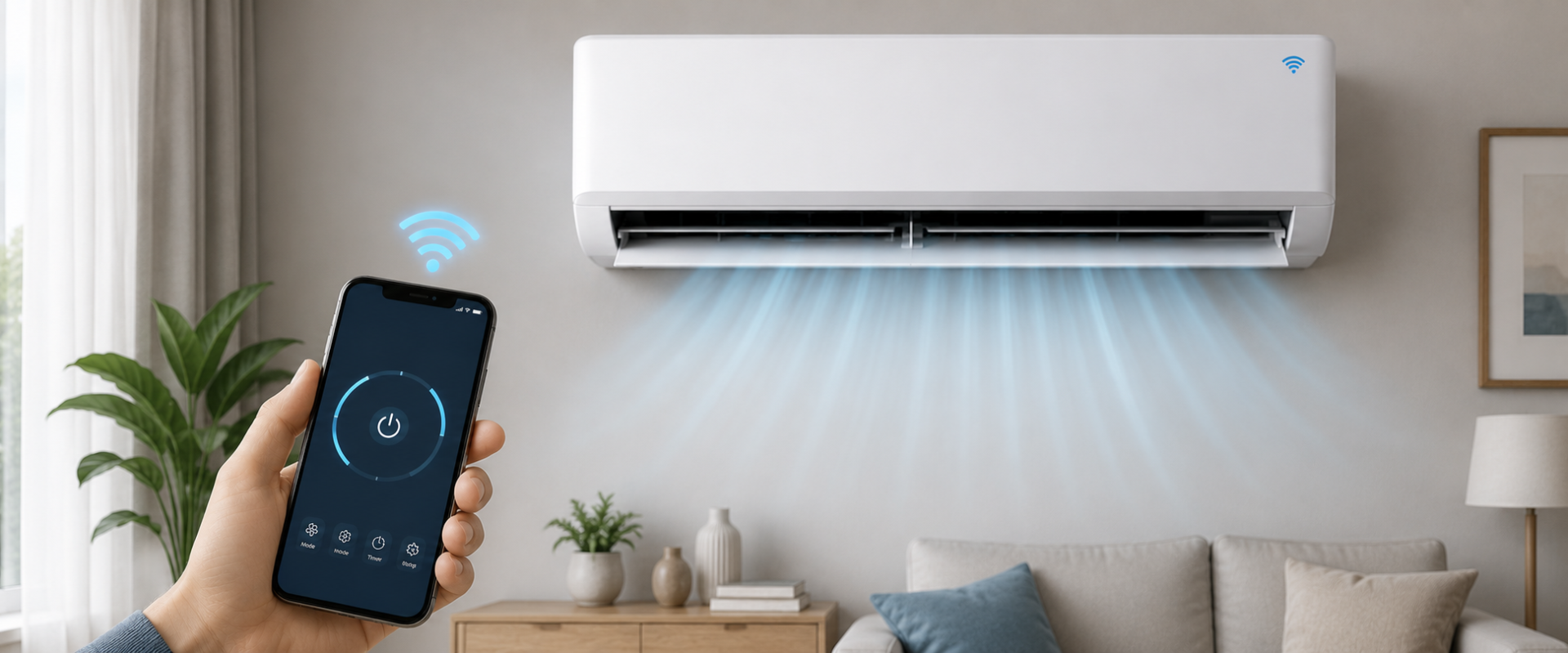
Wi-Fi remote control;
-
Air ionization;
-
Multi-stage filtration systems;
-
Self-cleaning technology;
-
Humidity control;
-
Energy-saving modes;
-
Smart sensors.
Manufacturer's Warranty
Reliable brands usually provide longer warranty periods and ensure better availability of spare parts and after-sales support.
Conclusion
Inverter air conditioners are considered a modern, reliable, and highly efficient solution for apartments, private houses, and offices. They offer lower energy consumption, stable temperatures, faster cooling and heating, quieter operation, and a longer lifespan.
If you are looking to combine comfort, energy efficiency, and advanced technologies, an inverter air conditioner may be the best choice for your home or workplace.
Last news
-
 06.10.2025
AllSell
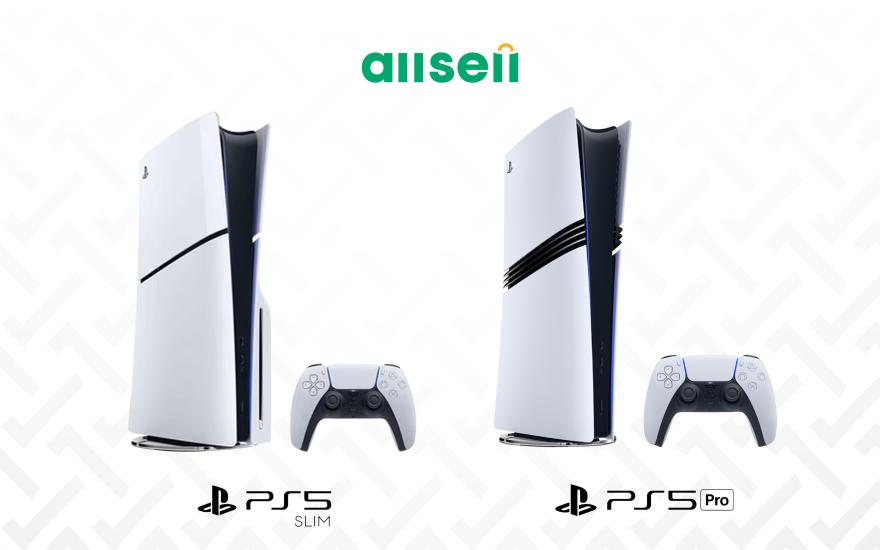
Comparison of all PS5 models
06.10.2025
AllSell
Comparison of all PS5 models
Are you a fan of digital games, want to buy a Playstation, but aren't sure which model to choose? Read this guide
-
 01.12.2025
AllSell
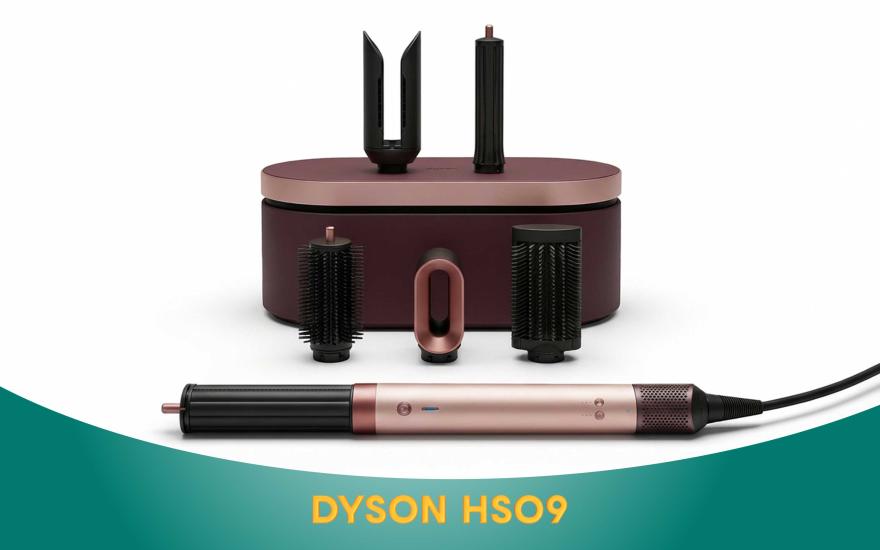
Dyson AirWrap HS09: A scientific approach to hair care
01.12.2025
AllSell
Dyson AirWrap HS09: A scientific approach to hair care
When you buy the Dyson Airwrap HS09, you get a hair dryer, straightener, and styler all in one. This is not only a three-in-one hair dryer, but also personalized care technology. Details on the blog
-
 26.11.2025
AllSell
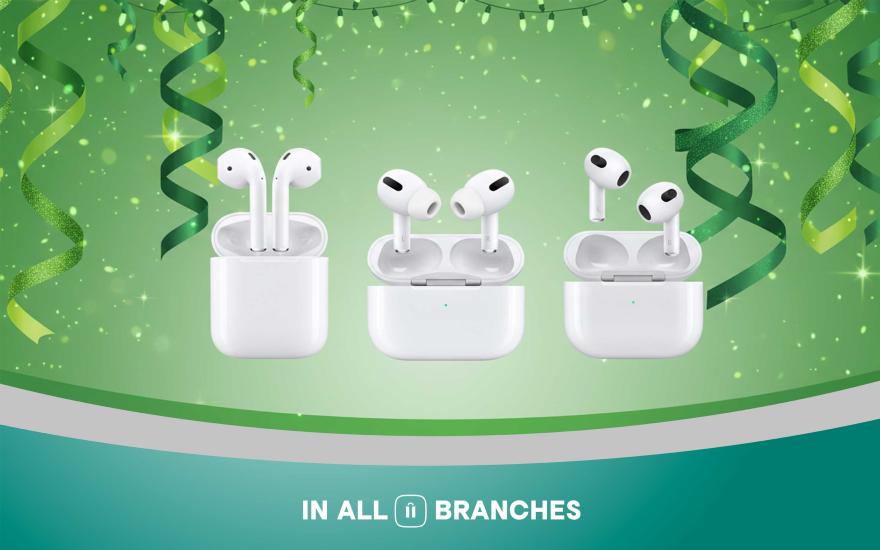
AirPods generations and their differences
26.11.2025
AllSell
AirPods generations and their differences
There are different models of AirPods headphones and it can be difficult to make a choice if you don't know their differences. In this article, we will present all generations of Apple wireless headphones, their differences, so that you can choose the option that suits you best.
-
 29.10.2025
AllSell
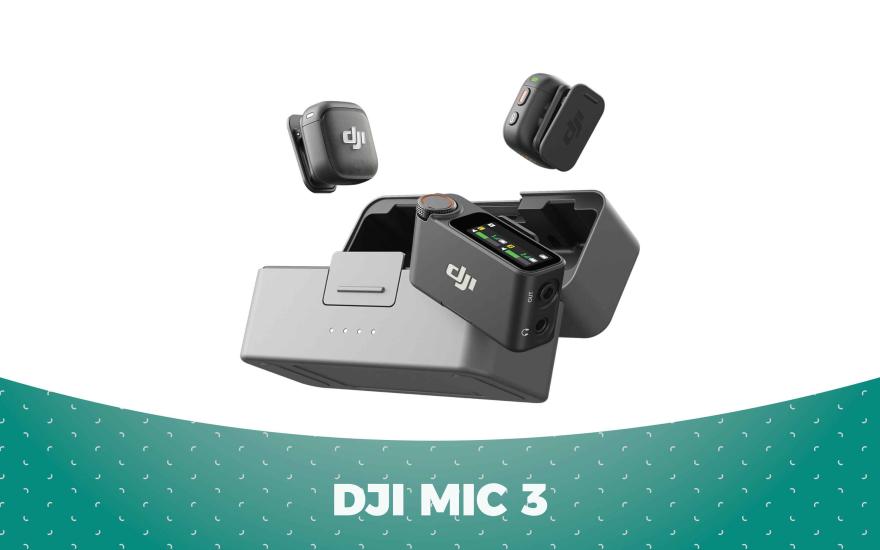
DJI Mic 3 microphone features
29.10.2025
AllSell
DJI Mic 3 microphone features
How to use DJI MIC 3 to ensure the best sound quality. Discover the microphone's features
-
 16.10.2025
AllSell
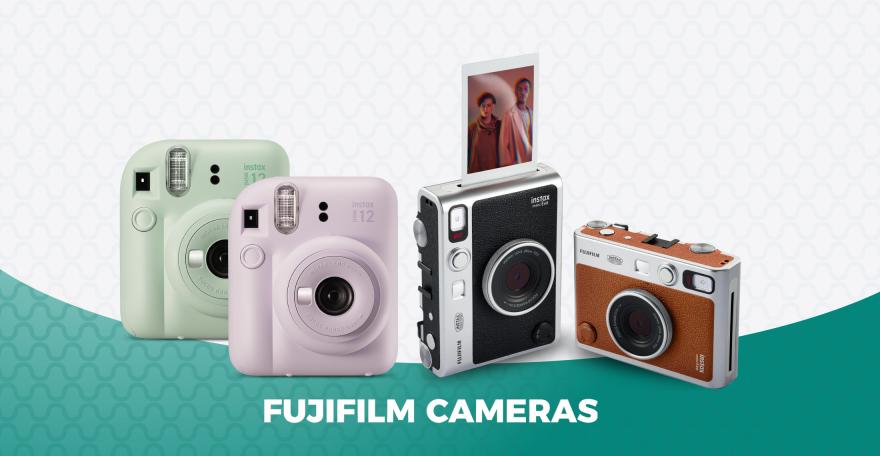
Instax Mini 12: The magic of instant printing
16.10.2025
AllSell
Instax Mini 12: The magic of instant printing
The Instax Mini 12 camera entices with its instant printing capabilities. It seems like you just press a button and that's it. However, the Mini 12 is quite finicky and has its own set of features. Read more...