


 05.01.2026
AllSell
05.01.2026
AllSell
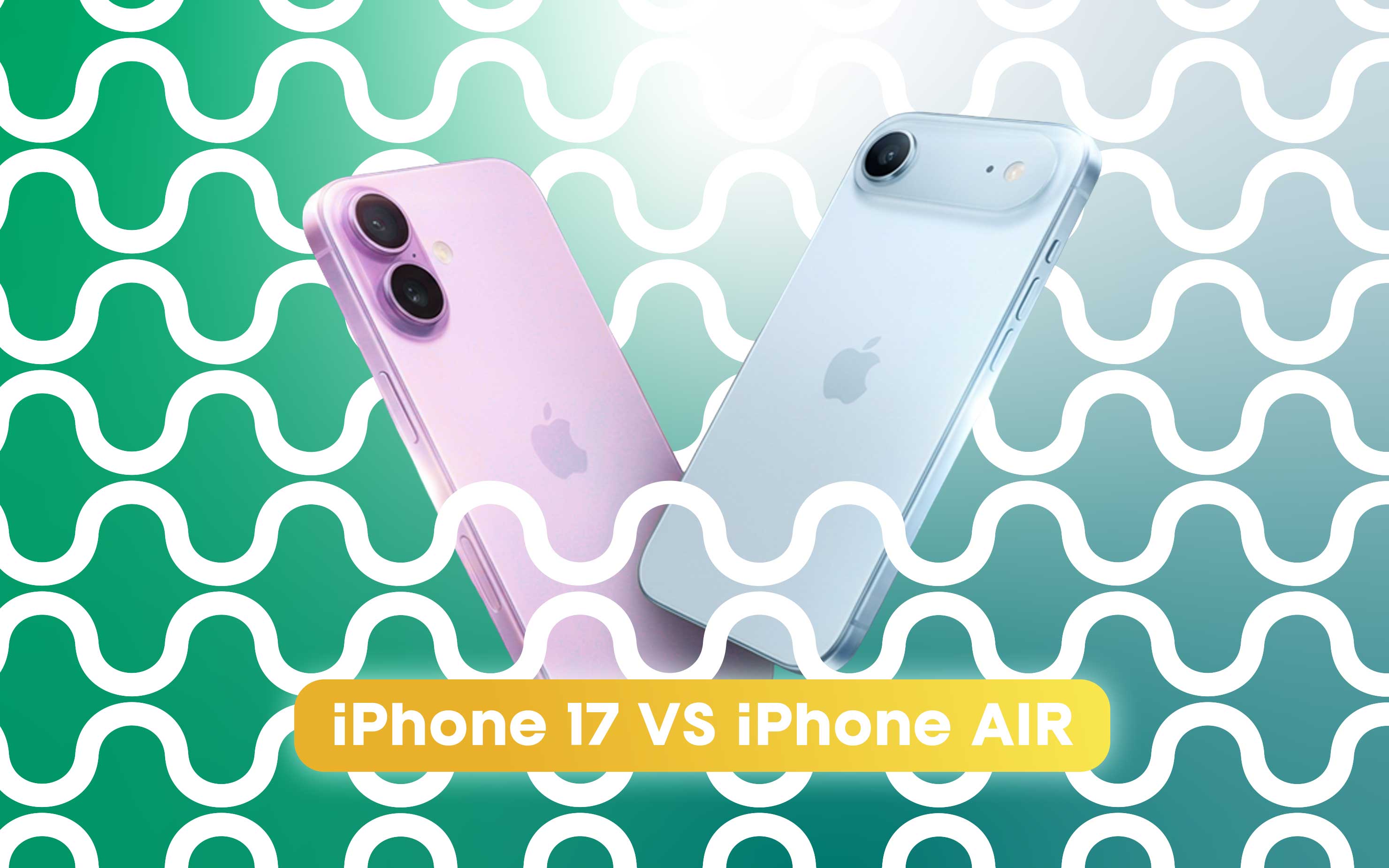
IPhone 17 or iPhone Air . Which to choose?
The iPhone smartphone lineup is updated every year and always raises one main question: which model to choose. This time the choice is between the base iPhone 17 and iPhone Air models. The iPhone Air, which was released instead of the iPhone 17 Plus (at least that was what buyers expected), is radically different from other models. With the current generation, buyers are faced with a difficult choice. In this article, we will present how the base iPhone 17 model differs from the Air.
Design and Materials
The main difference between the iPhone 17 and the Air is their size and appearance. The base model retains the design of last year’s iPhone 16, but with a slightly larger 6.3-inch display. By today’s standards, the iPhone 17 remains compact and lightweight, making it comfortable to use with one hand. On the other hand, at just 5.64mm thick, the iPhone Air is considered one of the thinnest smartphones. In terms of screen size, at 6.5 inches, it is significantly larger and wider than the iPhone 17.
The front of the devices is similar: both have thin bezels around the screen and the signature Dynamic Island notch. This notch houses the front camera and Face ID sensors. Other similarities include the Quick Actions button, which replaces the mute switch, and the camera control button. However, the back of the devices is completely different: the iPhone 17 has a small, pill-shaped section with two cameras, while the iPhone Air has a full-length notch and a single lens.
The devices also differ in their casing materials. On the front, both have a new, second-generation Ceramic Shield glass with improved scratch resistance. The iPhone Air has a proprietary Ceramic Shield glass on the back, while the iPhone 17 has an unspecified coating. The side frame of the base model is made of aluminum, like the iPhone 17 Pro, while the Air uses a titanium alloy. Judging by numerous tests, it is practically impossible to bend or break the ultra-thin iPhone Air during normal use.
There are a few other important differences between the models. For example, the iPhone Air has only one speaker (on the top), which means there is no stereo effect when watching videos or listening to music.
The iPhone Air comes with an eSIM only, and a physical SIM card is not supported. The standard iPhone 17 offers three options: eSIM, eSIM + SIM, and dual SIM (China). However, both models use the slower USB 2 Type-C port.
Display
Both smartphones have a Super Retina XDR display. This is a high-resolution OLED display with the same 460 ppi pixel density. The only difference is their size: 6.3 inches for the iPhone 17 and 6.5 inches for the iPhone Air.
Both smartphones support ProMotion technology, which dynamically adjusts the refresh rate from 1 to 120 Hz. This provides smooth animations, and the Always On Display is available when the device is locked, constantly displaying the time and other information.
The smartphone screens support a maximum brightness of up to 3000 nits and are covered with anti-reflective glass. This ensures excellent readability even in direct sunlight.
Cameras
The base iPhone 17 model offers more camera options than the iPhone Air. It has a 48-megapixel ultra-wide-angle module with autofocus and macro support, the same as in the Pro versions. At the same time, the main camera, 48-megapixel with an f/1.6 aperture, is identical in both smartphones. It can shoot at 12, 24 or 48 megapixel resolution and supports 2x lossless zoom.
Despite having a single rear camera, the iPhone 17 Air, like the iPhone 17, supports Portrait mode with background blur.
Both smartphones have a new 18-megapixel Center Stage front camera. It takes more detailed photos than previous iPhone generations, but its main feature is its square sensor. It allows you to shoot in both portrait and landscape modes without rotating the phone. During video calls, the front camera automatically tracks the person in the frame. Both iPhones support simultaneous shooting with both the front and rear cameras.
Performance
The base iPhone 17 is equipped with an A19 processor, while the iPhone Air, like the iPhone 17 Pro, has an A19 Pro chip. However, Apple has simplified it a bit by adding five graphics cores instead of the Pro's six. Therefore, the real-world performance of these two smartphones is practically identical.
Both devices perform quickly and smoothly in everyday tasks. However, the standard iPhone 17 performs better in sustained, intensive workloads, such as gaming or video editing. Despite the more powerful chip, the iPhone Air's thinner design makes it heat up more quickly, which reduces performance.
However, the iPhone Air has a slight advantage: 12 GB of RAM compared to 8 GB in the iPhone 17. This does not currently affect performance, but future iOS updates may include features that are simply not available with 8 GB of RAM. For example, this was the case with the iPhone 15, which, due to its 6 GB of RAM, did not have support for Apple's AI features, including object removal from photos and Intelligent Low Power Mode.
Battery and Charging
Battery life can be a key factor when comparing the iPhone 17 and the iPhone Air. Due to its ultra-thin design, the Air model has a smaller battery, and Apple promises 27 hours of continuous video playback compared to 30 hours for the iPhone 17.
The iPhone Air lasts longer than the iPhone 16, but is slightly slower than the iPhone 17. The difference is not dramatic, and both smartphones last a full workday.
Both smartphones support fast charging, but with slight differences. The iPhone 17 can charge up to 50% in 20 minutes using a 40W or higher adapter. The iPhone Air charges up to 50% in 30 minutes. The iPhone 17 takes about 80 minutes to fully charge, while the iPhone Air takes about 100 minutes.
So, which one to choose: iPhone 17 or iPhone Air?
Both smartphones run on the same operating system and support the same features, but in practice they differ significantly. The iPhone Air is noticeably thinner and made of higher-quality materials, but the iPhone 17 is more compact. The base model also offers stereo sound, the ability to insert a physical SIM card, an ultra-wide-angle camera, faster charging, longer battery life and better performance. So here the choice is purely between style and practicality.
Last news
-
 06.10.2025
AllSell
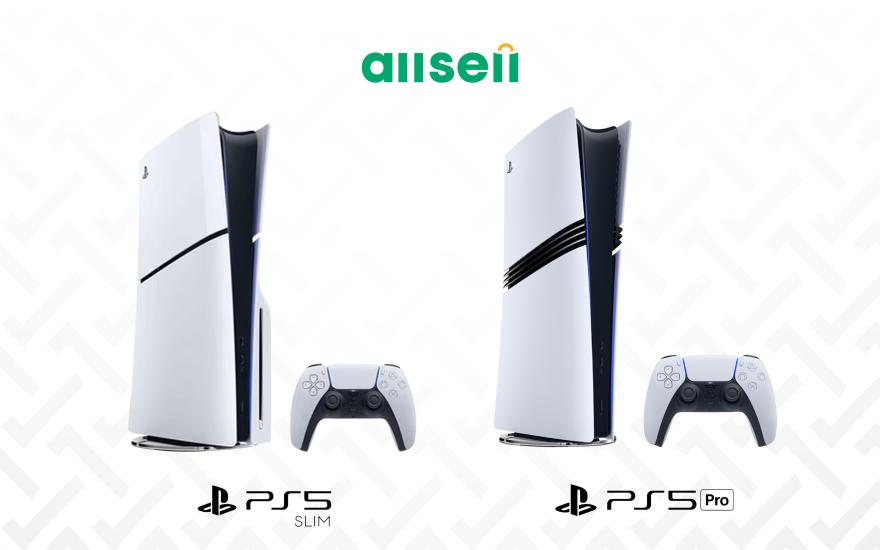
Comparison of all PS5 models
06.10.2025
AllSell
Comparison of all PS5 models
Are you a fan of digital games, want to buy a Playstation, but aren't sure which model to choose? Read this guide
-
 01.12.2025
AllSell
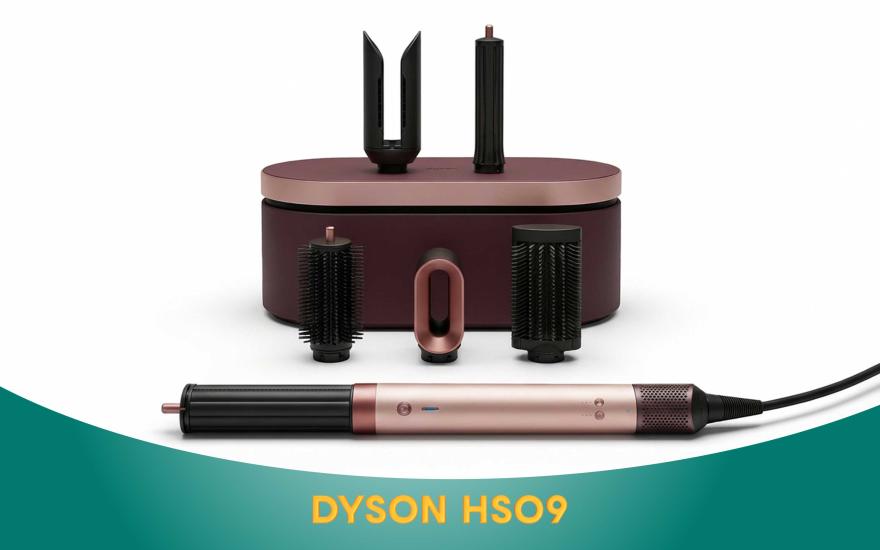
Dyson AirWrap HS09: A scientific approach to hair care
01.12.2025
AllSell
Dyson AirWrap HS09: A scientific approach to hair care
When you buy the Dyson Airwrap HS09, you get a hair dryer, straightener, and styler all in one. This is not only a three-in-one hair dryer, but also personalized care technology. Details on the blog
-
 26.11.2025
AllSell
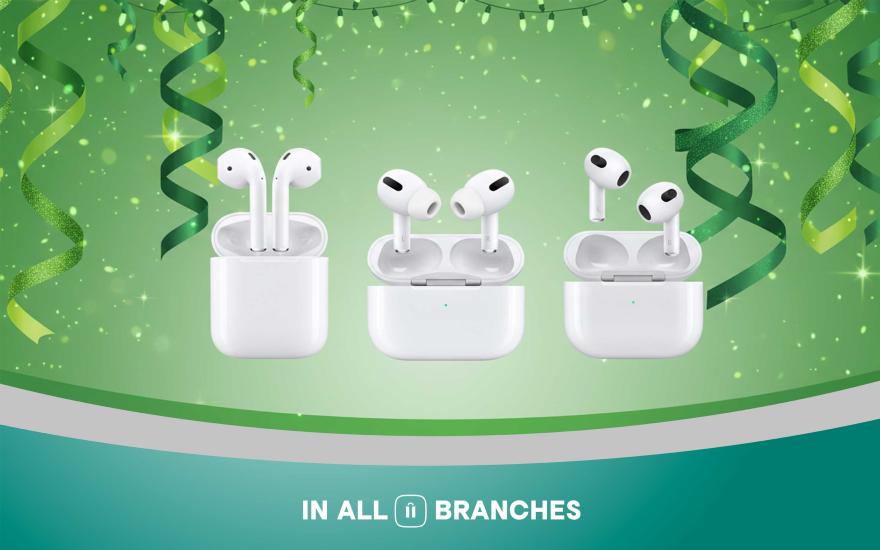
AirPods generations and their differences
26.11.2025
AllSell
AirPods generations and their differences
There are different models of AirPods headphones and it can be difficult to make a choice if you don't know their differences. In this article, we will present all generations of Apple wireless headphones, their differences, so that you can choose the option that suits you best.
-
 16.10.2025
AllSell
Instax Mini 12: The magic of instant printing
16.10.2025
AllSell
Instax Mini 12: The magic of instant printing
The Instax Mini 12 camera entices with its instant printing capabilities. It seems like you just press a button and that's it. However, the Mini 12 is quite finicky and has its own set of features. Read more...
-
 29.10.2025
AllSell
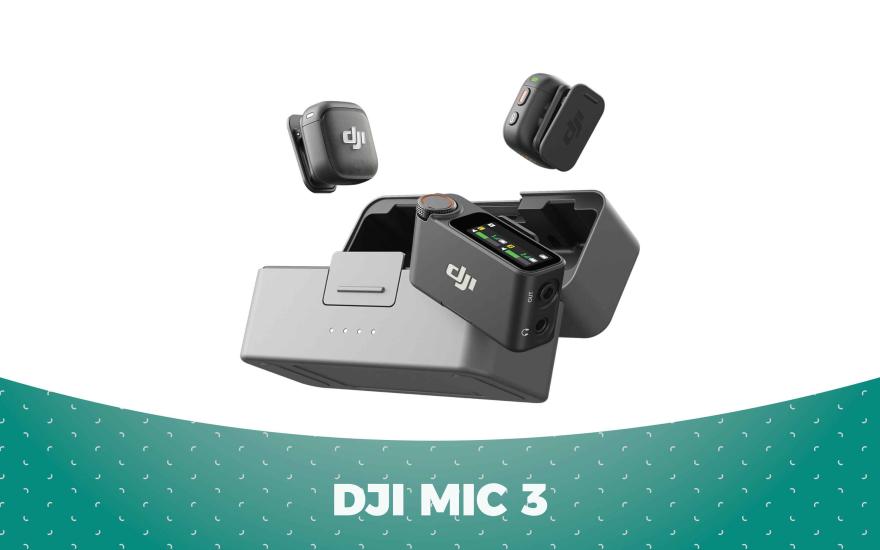
DJI Mic 3 microphone features
29.10.2025
AllSell
DJI Mic 3 microphone features
How to use DJI MIC 3 to ensure the best sound quality. Discover the microphone's features