


 25.02.2026
AllSell
25.02.2026
AllSell
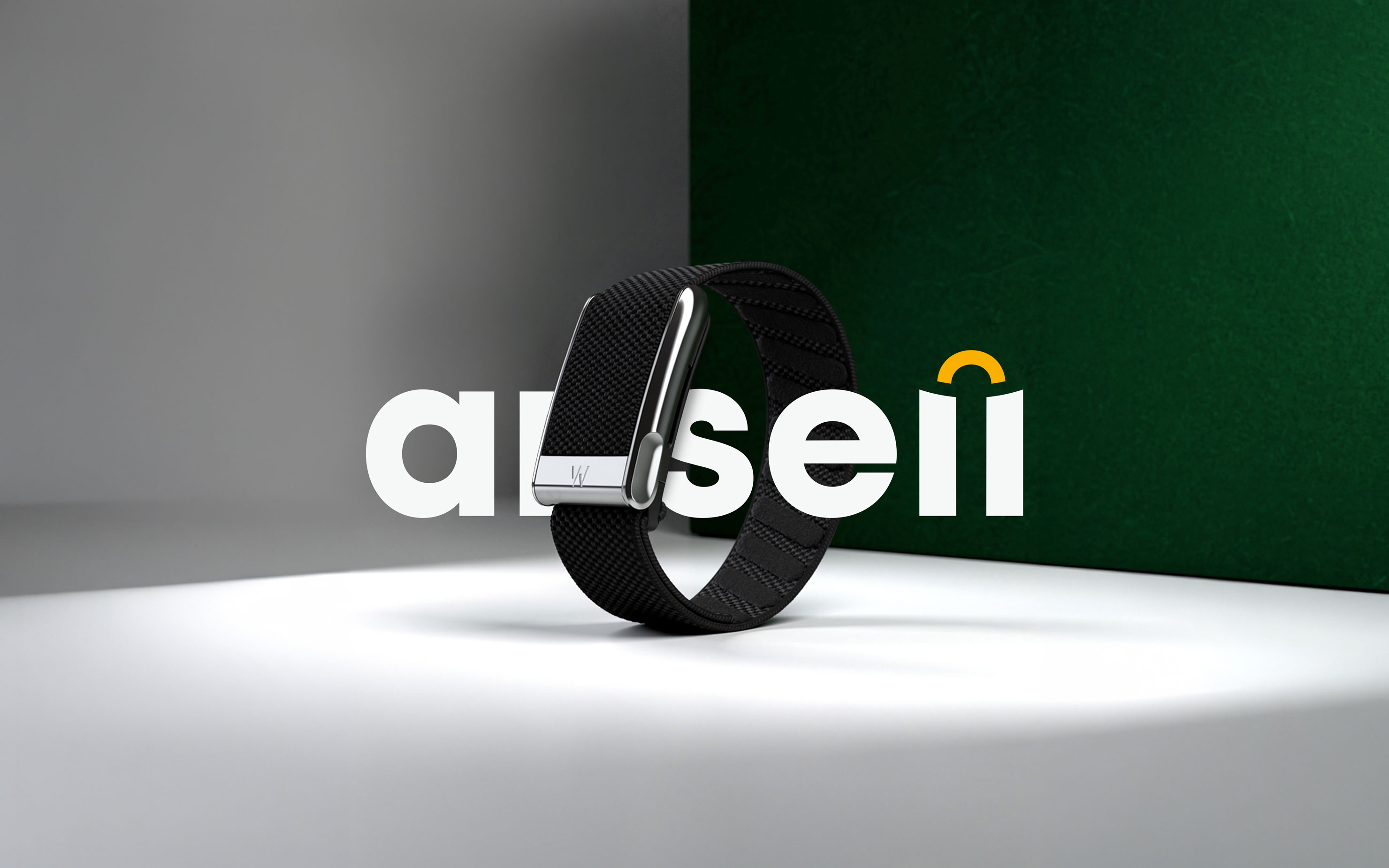
Whoop Life MG bracelet review
The Whoop Life MG fitness tracker tracks the human body, collects stats, and displays them in an app (available for iOS and Android devices). It records heart rate, breathing, temperature, sleep quality, and dozens of other small changes of the body. Artificial intelligence aggregates the data and provides personalized recommendations.
How Whoop Works
Whoop uses a series of sensors that work 24/7, collecting detailed data from the skin and blood flow. The wearer does not feel anything special and simply wears the bracelet while it scans their body.
Here’s what the Whoop band is interested in
Heart Rate (HR): Tracks how the body responds to exercise and rest. The band can even detect mild fatigue based on heart rate patterns.
Heart Rate Variability (HRV): A key indicator of stress and recovery. Higher HRV means a more alert nervous system and better adaptation to workouts.
Respiration: Changes in breathing rate can indicate whether the body is overworked or, conversely, well-rested.
Body Temperature: Small fluctuations in temperature reveal how well the body is coping with sleep, exercise, and even the effects of food or sleep deprivation.
Oxygen Saturation (SpO₂): This indicator assesses sleep quality during the night and potential recovery issues.
The device also includes a questionnaire where you can record your daily activities: reading, walks with friends - everything can be tracked. Artificial intelligence compares the data with body analysis and provides recommendations.
Key Features of Whoop
All data collected by the band, from heart rate to breathing, is summarized in three clear metrics:
Recovery: Muscles grow during rest, so the quality of rest determines training progress. Recovery shows how recharged the body is and whether the nervous system and muscles are ready for the stress of activity. This metric depends on sleep, activity, stress, and even sweets consumed before bed.
Stress: The band assesses how demanding the day was for the body. Stress includes everything from training, work, lack of sleep, to long walks. This metric helps maintain a healthy balance and avoid chronic fatigue.
Sleep Quality: Whoop tracks sleep hours, sleep stages, and breathing stability. It can alert if rest is insufficient or wake with a gentle vibration to prevent staying in bed too long.
Together, these three metrics show how the body managed yesterday’s workload and how much energy is available for the next day. It provides clear guidance on which direction to take to improve the daily routine.
Artificial Intelligence Coach in the Whoop App
This feature is powered by a neural network. The digital coach can answer questions about sports and other topics, suggesting the optimal training load. It monitors energy levels after sleep and indicates whether a hard workout is suitable for the day or if a lighter session is better. The band also shows which foods and activities positively impact recovery and which do not. For example, if herbal tea is consumed before bed for several days and sleep quality improves, the fitness band will notice this. The virtual coach will recommend continuing the habit to enhance sleep quality.
Advantages of Whoop
In-Depth Analysis of Physical Condition: Multiple metrics collected in one place make it easy to understand the state of the body — how well rested it is, readiness for training, and accumulation of hidden fatigue. These metrics can help create a daily routine or weekly plan.
Organized and Intuitive Interface: The app clearly shows how sleep, food, caffeine, and stress affect recovery. This helps approach workouts with more confidence and better self-awareness.
Balance Between Stress and Rest: Recovery percentages provide insight without pressure. Skipped workouts are easier to understand, and the band guides focus to areas that need attention. For example, if sleep is insufficient, the band won’t push a strenuous workout but will recommend rest, providing healthy control without stress.
Comfortable 24/7 Wear:
The lightweight case, lack of a screen, and silent operation make Whoop almost invisible. It doesn’t interfere with sleep, exercise, or walks — it simply does its job.
Rich Ecosystem of Accessories:
A variety of bands, mounts, and even specially designed clothing allow Whoop to be worn in multiple ways, not just on the wrist. Clothes and even underwear with a section for Whoop are also available.
Whoop Cons
-
No Screen or Familiar Features: Whoop is minimalist by design, which may not appeal to everyone. Some users miss features like seeing the time, measuring heart rate directly on the wrist, step counting, or receiving notifications.
-
Raw Data Can Be Confusing for Beginners: Whoop provides extensive information — heart rate, breathing, sleep stages, and stress. Without knowledge of human physiology, some metrics may remain unclear.
-
Cloth Strap Issues: The original cloth strap is practical and breathable but absorbs moisture quickly, gets dirty easily, and takes time to dry. Constant wear can be uncomfortable. A silicone strap is a durable alternative that stays cleaner.
-
Phone Dependency: GPS tracking relies on a smart phone, not the band. Forgetting a phone may reduce workout tracking accuracy, making it less convenient than some smart watches like the Apple Fitness Watch.
-
Not Psychologically for Everyone: Some users may focus too much on numbers, cancelling activities due to low recovery scores or feeling anxious about red readings. For those prone to anxiety, this can be overwhelming.
Tips for Using Whoop Effectively
-
Wear It All the Time: More data means more accurate insights. Nighttime is especially important, as this is when Whoop collects key recovery information.
-
Pay Attention to Trends: One bad day isn’t significant. Focus on long-term patterns: HRV trends, sleep quality, and stress changes.
-
Compare Data With Feelings: Numbers matter, but they aren’t absolute. If recovery is low but energy feels good, listen to the body — not the band.
Last news
-
 06.10.2025
AllSell
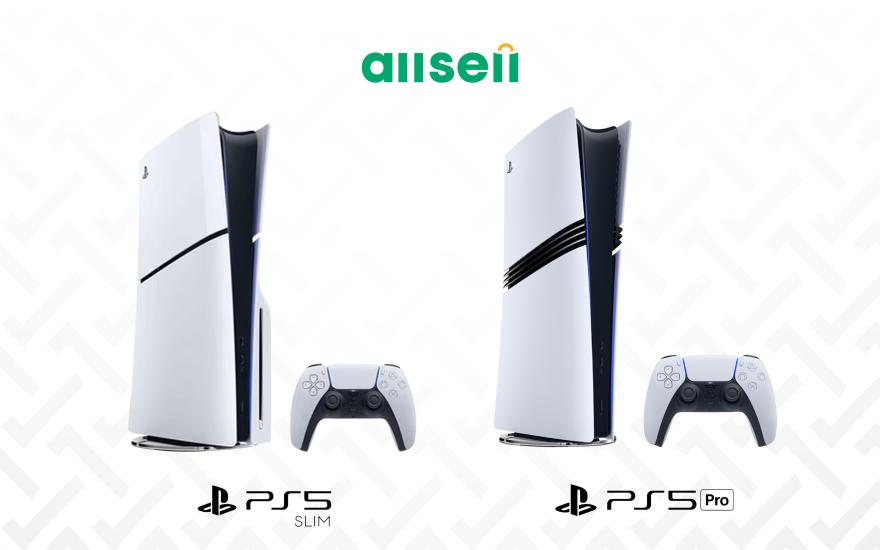
Comparison of all PS5 models
06.10.2025
AllSell
Comparison of all PS5 models
Are you a fan of digital games, want to buy a Playstation, but aren't sure which model to choose? Read this guide
-
 01.12.2025
AllSell
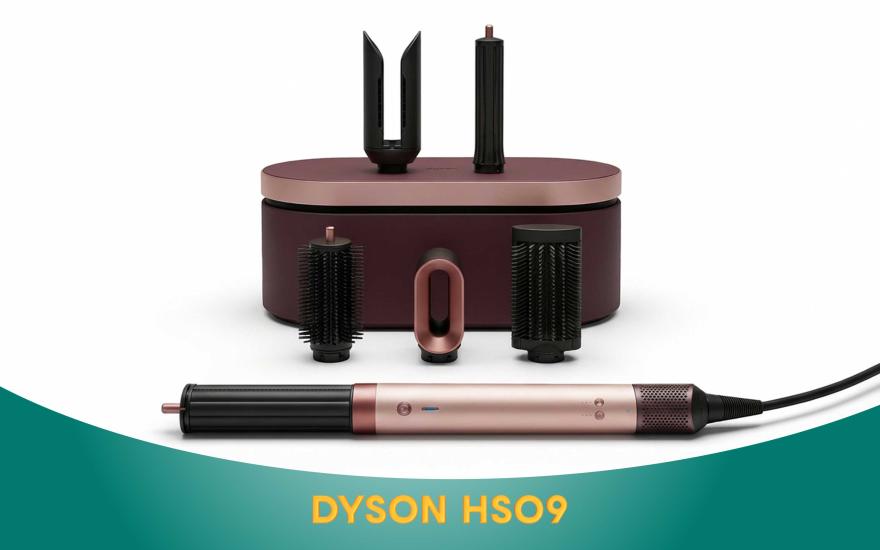
Dyson AirWrap HS09: A scientific approach to hair care
01.12.2025
AllSell
Dyson AirWrap HS09: A scientific approach to hair care
When you buy the Dyson Airwrap HS09, you get a hair dryer, straightener, and styler all in one. This is not only a three-in-one hair dryer, but also personalized care technology. Details on the blog
-
 26.11.2025
AllSell
AirPods generations and their differences
26.11.2025
AllSell
AirPods generations and their differences
There are different models of AirPods headphones and it can be difficult to make a choice if you don't know their differences. In this article, we will present all generations of Apple wireless headphones, their differences, so that you can choose the option that suits you best.
-
 16.10.2025
AllSell
Instax Mini 12: The magic of instant printing
16.10.2025
AllSell
Instax Mini 12: The magic of instant printing
The Instax Mini 12 camera entices with its instant printing capabilities. It seems like you just press a button and that's it. However, the Mini 12 is quite finicky and has its own set of features. Read more...
-
 29.10.2025
AllSell
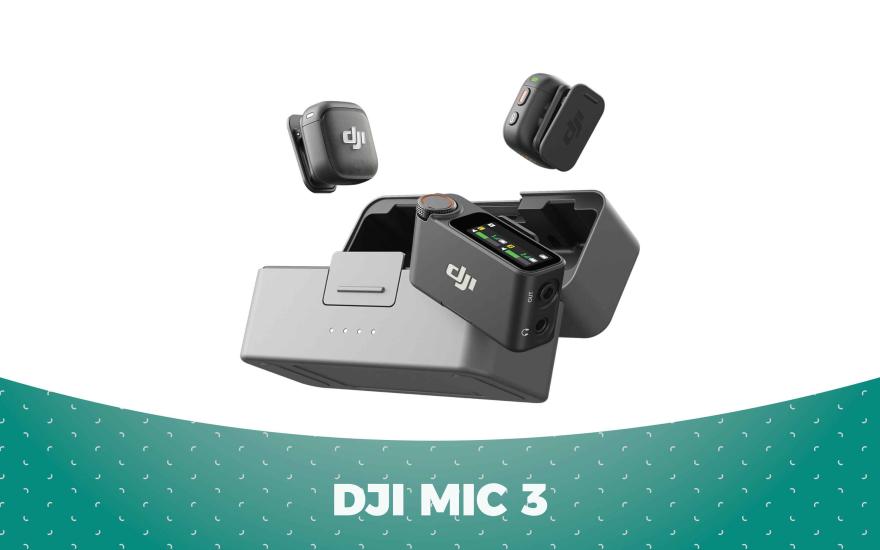
DJI Mic 3 microphone features
29.10.2025
AllSell
DJI Mic 3 microphone features
How to use DJI MIC 3 to ensure the best sound quality. Discover the microphone's features